2025-03-16: Widespread Support for Yemen’s Houthis

Based on an analysis of 553 X / Twitter posts conducted by Miqrab AI on March 16, 2025, the primary narrative dominating the Iraqi social media landscape revolves around the conflict in Yemen. A significant number of high-engagement posts expressed strong support for the Houthis, with some users pledging allegiance to their leader, Abdul-Malik al-Houthi, and celebrating their actions as a defense of Gaza. This was coupled with extensive discussion and analysis of recent US military strikes against Houthi targets, with some accounts mocking the Houthi response while others detailed alleged assassinations of key figures. Other prominent themes included heated sectarian and historical debates fueled by a television series about the Umayyad caliph Muawiyah, news of a major drug bust of Captagon originating from Syria, and commemorations of the Halabja chemical attack anniversary by various political figures. Internal Iraqi affairs, such as the formation of new militias and criticism of Iran’s regional influence, also featured prominently.
Table Of Content
- 1. Widespread Support for Yemen’s Houthis
- 2. Reactions to US Military Strikes in Yemen
- 3. Historical and Sectarian Debates Resurface
- 4. Saudi Arabia Rejects UAE Maritime Border
- 5. Syrian Conflict and Cross-Border Tensions
- 6. New Iraqi Militia Forms and Immediately Fractures
- 7. Iran’s Influence and “Axis of Resistance” Questioned
- 8. Large Captagon Shipment Seized in Iraq
- 9. Political Leaders Commemorate Halabja Anniversary
- 10. Criticism of Iraq’s Judiciary and Political Figures
Today’s Top 10 X (Twitter) Trends in Iraq:
1. Widespread Support for Yemen’s Houthis
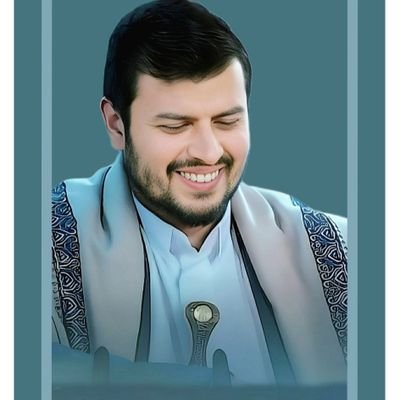
A wave of high-engagement posts expressed solidarity and outright allegiance with Yemen’s Houthi movement. Dr. Hussein Al-Safi (Post Impact: 98%) declared, “I announce my pledge of allegiance, to hear and obey, to Sayyid Abdul-Malik al-Houthi.” In another post, Dr. Hussein Al-Safi (Post Impact: 100%) shared an image of a Houthi figure predicting he will one day be the “Custodian of the Two Holy Mosques.” This pro-Houthi sentiment was echoed by users like Wesam Aziz (Post Impact: 93%), who shared a video of the Houthi slogan displayed in his home and stated, “Your slogan is in our homes, and we will spread it all over Iraq.” Accounts like Muna Sami (Post Impact: 67%) framed the conflict as a result of Yemen’s principled stance, stating, “Yemen’s sin… is that they are men who refused the ‘starvation’ of the people of Gaza!!”
2. Reactions to US Military Strikes in Yemen
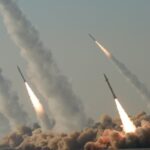
The recent US military operations in Yemen prompted a wide range of reactions, from news updates on casualties to strategic analysis. David Yassin (Post Impact: 14%) reported that prominent Houthi leaders were targeted, claiming terrorist “Abu Ali al-Hakem” was seriously injured and 13 were killed as the Houthi leadership “gradually loses control.” Analyst Aayad Al Twfan (Post Impact: 17%) provided a military breakdown, noting the US achieved surprise and used new strategic weapons, suggesting the operation could last for weeks. In a more critical tone, Faiq Al-Sheikh Ali (Post Impact: 49%) sarcastically commented on “Houthi preparations for a crushing response to the lame US bombing!” News of alleged US special forces operations to assassinate Houthi leaders was also shared by accounts such as Mahdi Majeed (Post Impact: 32%), citing a US official speaking to Israeli media.
3. Historical and Sectarian Debates Resurface
Historical Islamic controversies were a major topic of discussion, seemingly intensified by a television series about Muawiyah. Faiq Al-Sheikh Ali (Post Impact: 25%) noted that the series has sparked “a wave of ridiculous squabbles on platform X,” where many have turned into impromptu historians. Ibrahim Al-Sumaidaie (Post Impact: 16%) analyzed the trend, arguing that sectarian discourse inevitably produces a counter-discourse and warned it could lead to “a new sectarian conflict that will be harsher than the struggle for power.” On the other side of the debate, Shia-leaning accounts like Wasan Al-Shaikhli (Post Impact: 26%) posted laments about historical choices, stating, “A nation that chose Saqifah over Ali… and chose Yazid and left Hussein, deserves punishment.”
4. Saudi Arabia Rejects UAE Maritime Border
A significant geopolitical development was reported regarding a dispute between Saudi Arabia and the United Arab Emirates. Zaid Benjamin (Post Impact: 58%) posted that Saudi Arabia has once again informed the United Nations of its rejection of the UAE’s unilateral demarcation of its maritime borders. According to the post, Saudi Arabia objects to the UAE’s application of the straight baseline system to its coasts, signaling ongoing diplomatic friction between the two Gulf allies over territorial boundaries.
5. Syrian Conflict and Cross-Border Tensions
The Syrian war and its spillover effects were a focus of discussion, particularly regarding sectarian dynamics and border clashes. Issam Hussein (Post Impact: 54%) posted a detailed thread aiming to debunk what he called the “lie of the million Sunni Syrians” which he claims is used as a pretext by “Joulaniists to kill and exterminate Alawites,” providing his own statistics on massacres during the war. Concurrently, reports emerged of new violence on the Syrian-Lebanese border. Haidar (Post Impact: 21%) reported that Al-Qaeda launched attacks on the Lebanese border after local tribes killed three of its operatives. Meanwhile, Steven Nabil (Post Impact: 7%) reported that Syrians were shelling Hezbollah positions in Lebanon in retaliation for an alleged incursion.
6. New Iraqi Militia Forms and Immediately Fractures
The announcement of a new armed faction in Iraq, the “Martyrdom Shield of Abbas Forces,” was met with widespread mockery after it appeared to dissolve almost immediately due to infighting. Raad Hashim (Post Impact: 7%) first reported on the group’s formation and call for volunteers. However, this was quickly followed by posts from Yasser Eljuboori (Post Impact: 9%) and Hiba Al-Naiyib (Post Impact: 9%), who claimed the group fractured over a dispute involving five thousand Iraqi dinars. Al-Naiyib also pointed out that the group’s founder was the owner of a car dealership, questioning the legitimacy of such formations.
7. Iran’s Influence and “Axis of Resistance” Questioned
Several posts criticized Iran’s role in the region and questioned the commitment of its allied factions. Following the US strikes in Yemen, Rusly Al-Maliki (Post Impact: 18%) mocked Iraqi factions for declaring their “readiness” to respond, stating, “I have been hearing about this readiness for years but haven’t seen it do anything.” Salim Al-Jumaili (Post Impact: 10%) accused Iran of creating the Houthi militia for its own agenda and then abandoning them, claiming Iran and its allies have already “buried ‘the unity of the fronts’.” Citing Iranian media after threats from the US, Shaho Al-Qaradaghi (Post Impact: 11%) highlighted a statement from the IRGC commander that “we have no role in the policies of the Houthis.”
8. Large Captagon Shipment Seized in Iraq
Multiple accounts reported on a major drug bust where Iraqi authorities, acting on Saudi intelligence, seized a massive shipment of Captagon. Muna Sami (Post Impact: 16%) reported that a truck carrying one ton of the narcotic that had entered from Syria via Turkey was intercepted in the Kurdistan Region, praising both Iraqi forces and Saudi intelligence. Haidar (Post Impact: 12%) also covered the story, noting the seizure of 1,100 kilograms of Captagon. The news prompted some skepticism from commentators like Najeh Abbas Al-Mizan (Post Impact: 10%), who questioned whether the seized drugs would be publicly destroyed or redistributed to militias for profit.
9. Political Leaders Commemorate Halabja Anniversary
Iraqi and Kurdish political leaders marked the 37th anniversary of the chemical attack on the city of Halabja by the former Ba’athist regime. Kurdistan Region Prime Minister Masrour Barzani (Post Impact: 13%) stated, “After 37 years, the federal government has not fulfilled its constitutional duty to provide reparations for Halabja and Anfal victims.” Similar commemorative messages were posted by Kurdistan Region President Nechirvan Barzani (Post Impact: 9%) and Iraqi political leader Ammar Al-Hakim (Post Impact: 8%), who reiterated calls to formally recognize Halabja as a new Iraqi governorate.
10. Criticism of Iraq’s Judiciary and Political Figures
Domestic political issues, including judicial decisions and the actions of media figures tied to armed groups, drew criticism. Othman Al-Mukhtar (Post Impact: 22%) questioned the Supreme Judicial Council for rejecting 11 lawsuits filed against individuals who had insulted the Companions of the Prophet Muhammad, asking, “Has the Judicial Council decided to grant immunity to everyone who insults and transgresses against the symbols of Muslims?” In a separate post, Hiba Al-Naiyib (Post Impact: 51%) shared a video of Alia al-Yasiri, whom she described as a “sectarian PMF media personality,” chiding members of the “resistance” for supporting the Houthis in their fight against America.