2025-02-02: Nouri al-Maliki’s Warning of “Sedition” in Syria

Based on an analysis of 469 X / Twitter posts trending on February 2, 2025, Miqrab AI has identified that the primary focus of online conversation in Iraq is the recent political upheaval in Syria and its profound sectarian and geopolitical repercussions for Iraq. Dominant narratives include widespread alarm and condemnation following statements by former Prime Minister Nouri al-Maliki, who warned of a “great sedition” in Syria and hinted at a potential military intervention by the Popular Mobilization Forces (PMF). This has fueled a sharp escalation in sectarian rhetoric, with Iraqi Shia accounts expressing fear over threats to holy sites like Karbala, while some Sunni figures defend the right of Iraqi Sunnis to support the new Syrian government. Other key topics include the regional implications of Syrian leader Ahmed al-Sharaa’s visit to Saudi Arabia, anger over perceived anti-Arab remarks by the Iranian president, and ongoing domestic issues such as security operations against ISIS and controversial political appointments.
Table Of Content
- 1. Nouri al-Maliki’s Warning of “Sedition” in Syria
- 2. Sectarian Tensions Flare Over New Syrian Government
- 3. Syrian Leader Ahmed al-Sharaa Visits Saudi Arabia
- 4. Anger Over Iranian President’s Remarks About Arabs
- 5. Fears of Threats to Karbala by Syrian Fighters
- 6. Humanitarian Aid to Gaza and Perceived Ingratitude
- 7. Discussions on the Proposed General Amnesty Law
- 8. SDF Rejects New Syrian Government Amid US Support
- 9. Security Forces Kill Seven ISIS Militants
- 10. US to Maintain Military Presence Until 2028
Today’s Top 10 X (Twitter) Trends in Iraq:
1. Nouri al-Maliki’s Warning of “Sedition” in Syria
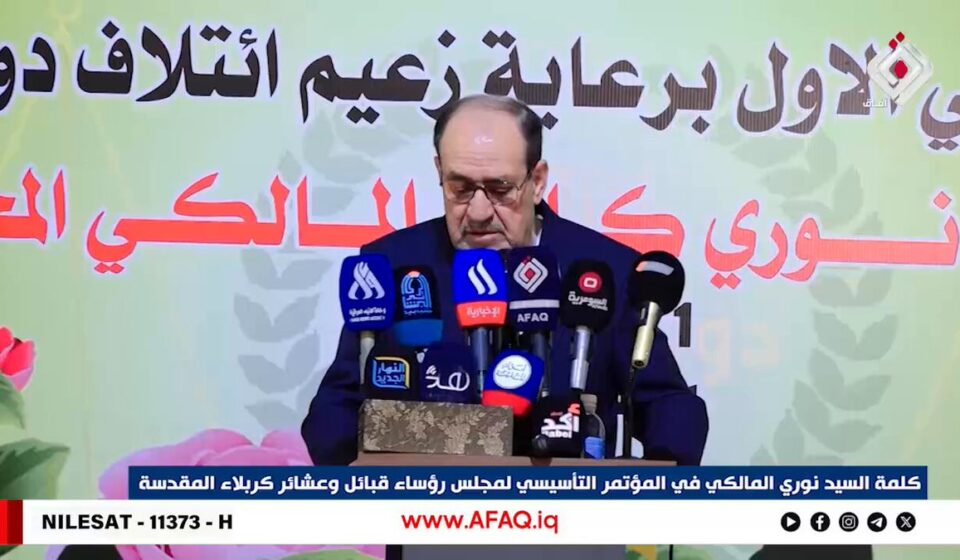
A video of former Prime Minister Nouri al-Maliki warning of a “great sedition” in Syria has become the most engaging topic, sparking intense debate and condemnation. Omar Al-Janabi (Post Impact: 100%) shared a clip where al-Maliki states, “Syria ended in a great sedition like the sedition of the killing of Hussein and Ali, and it is ruled by terrorists who were our prisoners.” Al-Janabi predicts that if this rhetoric continues, the Coordination Framework will soon mobilize the Popular Mobilization Forces (PMF) towards Syria. This sentiment was echoed by Shaho Al-Qaradaghi (Post Impact: 6%), who quoted al-Maliki warning that if sedition occurs, “it will end everything.” The statements drew harsh criticism from opponents like Najeh Abbas Al-Mizan (Post Impact: 23%) and Rusly Al-Maliki (Post Impact: 19%), with the latter accusing him of being an agent of Iran, the “basis for the country’s ruin for twenty years,” and responsible for any potential sectarian strife in Iraq.
2. Sectarian Tensions Flare Over New Syrian Government
The change in power in Syria has significantly inflamed sectarian tensions among Iraqi social media users, particularly between Sunni and Shia voices. Mashaan Al-Jabouri (Post Impact: 34%) questioned what he sees as a double standard, asking, “Why do Iraqi Shiites boast about their support for Shiites in Lebanon and the Houthis… while the sympathy of Iraqi Sunnis with Syrian Sunnis is considered a threat?” In a separate post, he stated it is natural for Sunnis to “react with joy and pleasure” to their brethren leading Syria. This view was fiercely contested by Ahmed Abdul Sada (Post Impact: 23%), who claimed that al-Jabouri’s comments reflect the “truth of Iraq’s Sunnis without hypocrisy,” arguing that they all celebrated the takeover by “takfiri terrorist organizations” and would have done the same if ISIS had taken Baghdad. He concluded, “Iraq’s Sunnis are either terrorists, supporters of terrorism, or sympathizers with terrorism at best.”
3. Syrian Leader Ahmed al-Sharaa Visits Saudi Arabia
The visit of the new Syrian leader, Ahmed al-Sharaa, to Riyadh has been a major topic of discussion, with commentators viewing it as a significant step towards regional legitimacy. Omar Abdul Sattar Mahmoud (Post Impact: 49%) shared a video of the arrival, simply stating “Ahmed al-Sharaa in Riyadh.” Ghaith Al-Tamimi (Post Impact: 6%) described the event as a pivotal moment, stating, “The political legitimacy of the new Syria begins in Riyadh, [with] important indications about the future of the region.” Tamara Alkhazraji (Post Impact: 3%) framed the visit as a blow to Iran and its allies, noting that the image of al-Sharaa in Saudi Arabia caused “fainting spells… from Iran and some countries hosting its militias.”
4. Anger Over Iranian President’s Remarks About Arabs
Statements attributed to the Iranian President sparked outrage among several Iraqi accounts, who interpreted his words as an insult to Arabs. Aayad Al Twfan (Post Impact: 25%) reacted strongly to the comment, “Savage Israel resembles the Arabs before Islam,” calling it “this Persian Magian hatred towards Arabs.” The account defended Arab heritage by highlighting that the Prophet Muhammad, the Quran, and the language of paradise are all Arabic. Similarly, Raad Hashim (Post Impact: 12%) shared an image of the Iranian president with the text, “The heir of the Persians insults the Arabs and compares them to Israel!! Who will respond to him?!”
5. Fears of Threats to Karbala by Syrian Fighters
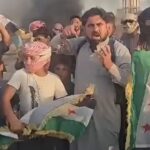
Videos allegedly showing Syrian fighters chanting threats against the holy city of Karbala have circulated widely, fueling fears among Shia Iraqis. Hayder (Post Impact: 44%) posted a video of what he described as “Al-Qaeda elements” chanting “We are coming for you, Karbala,” which he noted was occurring simultaneously with Israeli actions in southern Syria. In another post, Hayder (Post Impact: 9%) criticized Iraqi activists for being silent on these threats to Karbala, which he claims have been ongoing since 2011, while they were vocal about other issues related to Syria. The chants are presented as direct evidence of the hostile intentions of the new Syrian government towards Iraq’s Shia population and its holy sites.
6. Humanitarian Aid to Gaza and Perceived Ingratitude
A video showing humanitarian aid from Arab countries being delivered to Gaza sparked a debate about the recipients’ reactions. Sufian Al-Samarrai (Post Impact: 55%) commented on the aid, suggesting that if it were sent to other poor countries like Sudan or Somalia, people would demonstrate in gratitude. However, he claimed that those in Gaza, whom he described as “the claws of Qatar, Turkey, and Iran and followers of the cause,” would not even thank God. He stated, “Praise be to you, O Lord, these wars have revealed to us their true nature and the reason for the Nakba.” The post reflects a viewpoint that Arab aid to Palestinians is unappreciated by factions seen as aligned with regional rivals.
7. Discussions on the Proposed General Amnesty Law
The topic of a general amnesty law in Iraq is being discussed with skepticism and sarcasm. Abu Drandesh Al-Askari (Post Impact: 33%) shared a video of an individual and pointedly asked, “Will this one be included in the amnesty?” In a similarly critical tone, Shaho Al-Qaradaghi (Post Impact: 10%) highlighted a comment from MP Ali Turki of the Al-Sadiqoun bloc, who sarcastically remarked, “Trump was included in the general amnesty.” These posts suggest a lack of public trust in the law’s application and a fear that it may be used to pardon serious criminals or for political purposes.
8. SDF Rejects New Syrian Government Amid US Support
Developments in Syria indicate a growing conflict between the Syrian Democratic Forces (SDF) and the new ruling authority. Sufian Al-Samarrai (Post Impact: 11%) reported that the SDF has refused to recognize the government led by al-Jolani and has canceled all dialogue with it, attributing this move to “American-Israeli support.” He connected this to a shift in US policy following the closure of Syrian presidency social media accounts and the installation of a new, conservative US intelligence administration. He frames this as part of a broader “war on political Islamism for the sake of the new Middle East.” Hayder (Post Impact: 5%) also reported on the platform X suspending the official account of the Syrian Presidency under the new leadership.
9. Security Forces Kill Seven ISIS Militants
Iraqi security forces continue to conduct operations against remnants of ISIS, with recent success reported on the border between Salah al-Din and Kirkuk. The Security Media Cell (Post Impact: 3%) officially announced that an airstrike by Iraqi F-16s, based on intelligence from the Directorate of Military Intelligence, targeted an ISIS position. A subsequent ground operation found the bodies of seven terrorists, some wearing explosive belts, along with weapons and logistical materials. Hayder (Post Impact: 4%) also shared the news of the successful airstrike that resulted in the death of seven militants.
10. US to Maintain Military Presence Until 2028
Reports about the United States’ intention to maintain its military presence in Iraq and Syria are circulating on X. According to Omar Abdul Sattar Mahmoud (Post Impact: 3%), who cited Monte Carlo, the U.S. has informed Iraqi officials that recent events in Syria necessitate keeping American troops in both countries until 2028. This information was also shared by _. suhair Al_jumaili (Post Impact: 2%), who stated, “Washington informs Baghdad: Our forces will remain in Iraq until 2028.” This news suggests a long-term American military strategy for the region in response to the new geopolitical landscape.