2025-01-28: Saudi Economic Strategy Sparks Concern for Iraq

Based on a Miqrab AI analysis of 374 X / Twitter posts trending in Iraq on January 28, 2025, the social media landscape was dominated by discussions on Iraq’s economic vulnerabilities, intense sectarian debates sparked by the new government in Syria, and widespread criticism of domestic political corruption. Key narratives included analysis of Saudi Arabia’s economic strategy diversifying away from oil and its negative implications for Iraq’s oil-dependent economy. Simultaneously, conversations highlighted a deep sectarian divide among Iraqis over the new leadership in Syria. Users also heavily engaged with topics concerning systemic corruption tied to political parties’ “economic offices,” the future role of the Popular Mobilization Forces amid US pressure, and widespread speculation about how a potential new Donald Trump administration in the United States would reshape its policy toward Iraq.
Table Of Content
- 1. Saudi Economic Strategy Sparks Concern for Iraq
- 2. Sectarian Rifts over Syria’s New Government
- 3. Widespread Corruption by Political Parties Criticized
- 4. Speculation on Future US Policy Under Trump
- 5. Debate on the Role of the Popular Mobilization Forces
- 6. Pride and Support for the Iraqi Army
- 7. Iran’s Regional Influence and US Diplomacy
- 8. Ranking Iraq’s Prime Ministers Since 2003
- 9. Calls to Annul US President Trump’s Arrest Warrant
- 10. Egyptian Prime Minister to Visit Baghdad for Bilateral Agreements
Today’s Top 10 X (Twitter) Trends in Iraq:
1. Saudi Economic Strategy Sparks Concern for Iraq
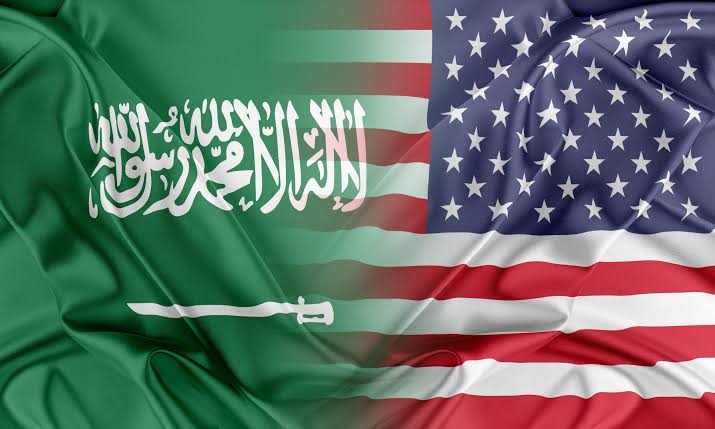
A widely discussed analysis by Rusly Al-Maliki (Post Impact: 100%) argued that Saudi Arabia’s trillion-dollar investment in the United States creates a win-win situation for both countries but poses a significant threat to Iraq. According to the post, the massive returns from this investment will reduce Saudi Arabia’s reliance on oil revenue, allowing it to lower oil prices. While this benefits both Saudi Arabia’s new investment portfolio and US consumers, it will be devastating for countries like Iraq that are solely dependent on oil exports. The account heavily criticized Iraqi leaders, stating they have spent their time merely selling oil to pay salaries and make appointments, concluding with a curse: “Damn the bedbugs who spent it selling oil and giving salaries and appointments, and may you be in this situation and worse, you fools.”
2. Sectarian Rifts over Syria’s New Government
The new government in Syria has ignited intense sectarian debate among Iraqi social media users. Ali Al-Mohandes (Post Impact: 48%) claimed that Iraqis are divided between a “Shiite majority” that rejects the new Syrian leader, al-Jolani, and a “Sunni minority” that welcomes him and desires a similar figure in Iraq. Other users echoed this sentiment, with Huroof Soomariya (Post Impact: 18%) accusing Sunnis of hypocrisy for defending Saudi Arabia and Turkey while criticizing Shiites for their affinity with Iran. In response to events where the Syrian flag was trampled in Baghdad, Safaa Al-Asadi (Post Impact: 7%) clarified that the flag is the historical “independence flag” of Syria from 1932, not a flag belonging to any specific group. Salem Mashkour (Post Impact: 8%) argued that when an Iraqi Sunni claims the Syrian revolution flag represents them, the motivation is purely sectarian, warning that “sectarianism is destructive.”
3. Widespread Corruption by Political Parties Criticized
Numerous posts highlighted systemic corruption tied to Iraq’s ruling parties. Iyad Al-Anbar (Post Impact: 21%) asserted that Iraq’s problem cannot be reduced to the issue of armed factions alone, as there is a clear collaboration between corruption and weapons outside of state control, stating that “the ruling system operates with a duality of weapons and corruption.” Adnan Al-Taie (Post Impact: 17%) referred to the parties’ “economic offices” as a form of “sacred plunder.” Sharing a video of Judge Wael Abdul Latif, Aayad Al-Twfan (Post Impact: 17%) highlighted the judge’s criticism of politicians who returned from abroad and amassed fortunes while the Iraqi people suffered. Yasser Eljuboori (Post Impact: 11%) alleged that the Ministry of Communications and the parliamentary integrity committee were covering for a company that earns 600 billion dinars while another is heavily in debt.
4. Speculation on Future US Policy Under Trump
There was significant discussion about a potential shift in US policy toward Iraq if Donald Trump is re-elected, with several accounts citing reports from the British newspaper “The Independent.” Raad Hashim (Post Impact: 12%) outlined three potential scenarios for Trump’s approach: a complete overhaul of the Iraqi political system, targeting specific “hawks” within the current regime, or a “revolutionary change” spurred by popular pressure and US-backed internal military intervention. Hiba Al-Nnayib (Post Impact: 5%), also citing The Independent, reported that figures close to Trump have demanded Prime Minister Al-Sudani dissolve armed factions and arrest their leaders. The reports suggest that if Baghdad fails to act, the US may take on the task itself, citing attacks on US soldiers and the embassy as justification.
5. Debate on the Role of the Popular Mobilization Forces
The legal status and future of the Popular Mobilization Forces (PMF) were a key topic of debate. Shahou Al-Qaradaghi (Post Impact: 8%) shared a statement from the Iraqi President, who declared, “The Popular Mobilization is part of the security forces and there is no justification to talk about merging it into the Ministries of Defense and Interior.” In contrast, Hiba Al-Nnayib (Post Impact: 5%) posted a clip of Hussein Al-Kanani, described as close to the pro-Iran Coordination Framework, arguing that “the Iraqi army is incapable of protecting Iraq and we need the factions.” Meanwhile, Raad Hashim (Post Impact: 6%) referenced a report in “Al-Majalla” magazine suggesting that the US is preparing for an “economic war” on Iraq if the PMF and other pro-Iran factions are not dissolved.
6. Pride and Support for the Iraqi Army
Amidst political and sectarian debates, a high-engagement post from Hassan Al-Kabi (Post Impact: 53%) expressed strong support for the country’s military. The post, which featured an image of Iraqi soldiers, was simply captioned, “The brave Iraqi army 🇮🇶👑.” Its significant impact rate, despite the brief text, indicates a strong current of national pride and appreciation for the armed forces among Iraqi social media users, serving as a point of unity in a landscape otherwise marked by division.
7. Iran’s Regional Influence and US Diplomacy
Iran’s foreign policy was discussed on two fronts: its alleged expansion in North Africa and its potential diplomatic overtures to the US. Farouq Al-Dhafiri-Al-Iraq Al-Jarih (Post Impact: 18%) shared what he called a “dangerous” and “exclusive” report on “#Shiite_expansion_in_Sunni_Tunisia.” The post alleged a secret agreement between Iran and Tunisian President Kais Saied’s brother to open Shiite mosques and a shrine, financed by a $400 billion initial payment from Iran. On another note, Shahou Al-Qaradaghi (Post Impact: 6%) reported a statement from Iranian Foreign Minister Abbas Araghchi, indicating that “Iran is ready to hear offers from US President Donald Trump regarding new negotiations on the Iranian file.”
8. Ranking Iraq’s Prime Ministers Since 2003
A post by Dr. Laith Shubbar (Post Impact: 38%) sparked a public discussion on Iraq’s political leadership over the past two decades. The account posed a poll to its followers, asking them to identify the best and worst prime ministers since 2003 from a list including Ayad Allawi, Ibrahim al-Jaafari, Nouri al-Maliki, Haider al-Abadi, Adel Abdul Mahdi, Mustafa al-Kadhimi, and the current premier, Mohammed Shia’ Al Sudani. The post also asked users to predict who they believe will become the eighth prime minister, reflecting a broader conversation about political performance and the country’s future leadership.
9. Calls to Annul US President Trump’s Arrest Warrant
Former Foreign Minister Hoshyar Zebari (Post Impact: 13%) brought attention to the Iraqi arrest warrant issued for Donald Trump in January 2021 following the killing of the “victory leaders.” Zebari stated that canceling this warrant has become an “urgent American demand for a better relationship between the government of Iraq and the new America.” He directly questioned whether the Iraqi government and its judiciary would review the decision, framing it as a critical issue for the future of Iraq-US relations under a potential new administration.
10. Egyptian Prime Minister to Visit Baghdad for Bilateral Agreements
A forthcoming diplomatic visit from Egypt generated attention, with Haydar (Post Impact: 15%) reporting that the Egyptian Prime Minister is scheduled to arrive in Baghdad the following day. According to the post, the purpose of the visit is to sign more than ten memoranda of understanding in various fields. The account also noted that the agenda includes discussions on the ongoing situation in “occupied Syria,” indicating the visit will cover both bilateral economic cooperation and regional security issues.