2025-01-18: Iraq and Iran Deepen Scientific Cooperation

Based on 430 X / Twitter posts analyzed on January 18, 2025, by Miqrab AI, the primary narratives in Iraq revolve around the country’s complex foreign relations and internal sectarian and political tensions. The most prominent discussion centered on deepening scientific and educational cooperation with Iran, highlighted by an official ministerial announcement. Significant attention was also given to events in Syria, with conflicting reports on new travel restrictions for Iraqis, praise for the new administration’s treatment of Shia pilgrims, and widespread alarm over growing Turkish influence. These external events fueled domestic sectarian debates, particularly regarding the perceived hypocrisy of accepting Turkish presence while rejecting Iranian influence. Other key topics included critiques of state weakness, as evidenced by security forces paying tribal settlements, public distrust in the Central Bank’s policies, and widespread anxiety over the potential regional impact of Donald Trump’s impending second presidential term.
Table Of Content
- 1. Iraq and Iran Deepen Scientific Cooperation
- 2. Sectarian Outrage Over Mosque Renaming in Syria
- 3. Conflicting Reports on Iraqi Travel to Syria
- 4. Turkish Influence in Syria Sparks Accusations of Hypocrisy
- 5. Debating Iran’s Weakened Position in the Region
- 6. Central Bank of Iraq Policies Face Scrutiny
- 7. Mourning the Return of Karim Badr’s Body to Iraq
- 8. State Authority Undermined by Tribal Settlements
- 9. Engineer Jana Al-Rubaie’s Appeal for Protection
- 10. Preparing Iraq for a Second Trump Presidency
Today’s Top 10 X (Twitter) Trends in Iraq:
1. Iraq and Iran Deepen Scientific Cooperation
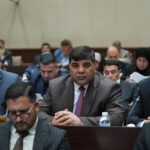
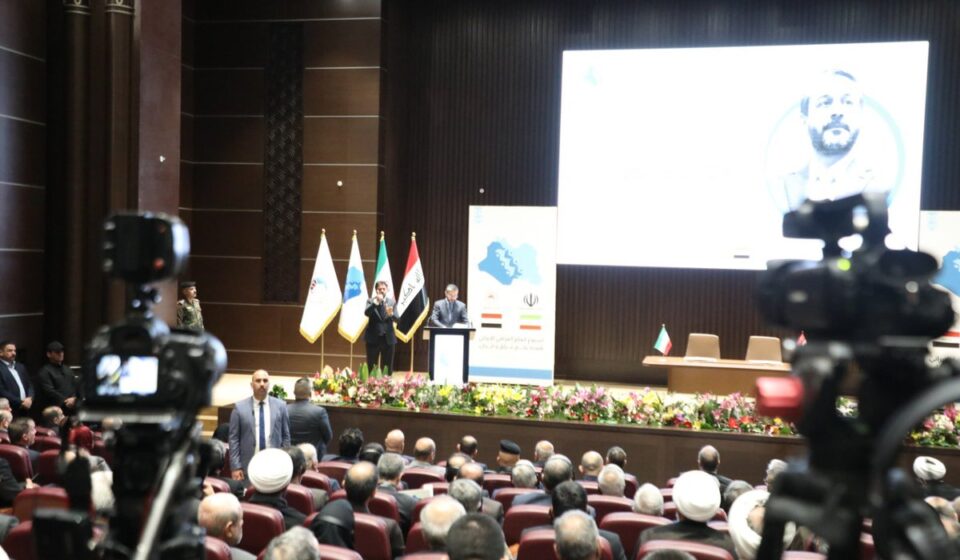
The most engaged-with topic was the launch of the second Iraqi-Iranian Science Week, involving over one hundred universities from both nations. Naeem Al-Aboudi (Post Impact: 100%), the Iraqi Minister of Higher Education and Scientific Research, announced that he sponsored the signing of an executive program between the two ministries. He emphasized that the Iraqi government has “achieved positive indicators in the area of internationalizing higher education and the field of sustainable development.” In contrast, commentator Raad Hashim (Post Impact: 9%) referred to Al-Aboudi as the “Minister of Asa’ib” and framed the event as a call to design joint educational programs with Iran that would meet Iraq’s needs, highlighting a critical perspective on the deepening ties.
2. Sectarian Outrage Over Mosque Renaming in Syria
A wave of sectarian anger emerged following reports that a mosque in Syria named “The Greatest Prophet” (Al-Rasul Al-A’tham) was renamed after Aisha and Omar, figures revered in Sunni Islam but viewed differently in Shia Islam. Abbas Shamsuddin (Post Impact: 66%) strongly condemned the act, stating, “When you change the name of a mosque called ‘The Greatest Prophet’ to the name of Aisha and Omar, you are a Nasibi.” In a follow-up post, Abbas Shamsuddin (Post Impact: 32%) rejected the purported justification that “greatness belongs to God alone” as an excuse from “filthy, impure” individuals who hate the Prophet. Similarly, Wasan Al-Shaikhli (Post Impact: 43%) posted a video with the caption “In defiance of the Wahhabis 💕,” seemingly in response to the same sectarian tensions.
3. Conflicting Reports on Iraqi Travel to Syria
There were contradictory narratives regarding the situation for Iraqis traveling to Syria. Omar Abdul Sattar Mahmoud (Post Impact: 51%) reported that the Syrian government issued a decision preventing Iraqis from entering unless they have a Syrian sponsor or a residence permit. However, Iraq’s National Security Advisor, Qasim Al-Araji (Post Impact: 45%), presented a different picture after meeting with pilgrims returning from the Sayyida Zainab shrine. He stated they faced no obstacles and that the “new Syrian administration is doing its duty to protect the holy shrine” and ensure the safe passage of Iraqi visitors. This positive account was also shared by Shaho Al-Qaradaghi (Post Impact: 6%).
4. Turkish Influence in Syria Sparks Accusations of Hypocrisy
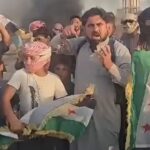
The raising of Turkish flags in Syrian cities by rebel forces drew sharp criticism and accusations of sectarian double standards. Issam Hussein (Post Impact: 45%) argued that the same people who deem raising a non-Iraqi flag in Iraq as “high treason” are now enjoying the sight of the Turkish flag in Syria. He claimed this reveals a sectarian bias, stating, “They are against the Iranian flag being raised in Arab countries and with the Turkish flag,” and described the new Syrian leader Al-Jolani as a “Turkish boy.” Adding to this narrative, Hassan Al-Kaabi (Post Impact: 34%) shared an image of a Syrian leader with Turkish officials, sarcastically captioning it “Syrian features 😂.”
5. Debating Iran’s Weakened Position in the Region
There was a significant discussion about Iran’s current strategic position, with many commentators pointing to its perceived decline. Aayad Al Twfan (Post Impact: 24%) and Rusly Al-Maliki (Post Impact: 14%) both shared a statement from former Iranian Vice President Hossein Marashi, who reportedly said, “We have lost Lebanon, Syria, and Iraq,” comparing Iran’s current situation to its weakness in 1988 after Iraq recaptured the Fao peninsula. In a separate analysis, Rusly Al-Maliki (Post Impact: 34%) argued that the fall of the current Iranian regime is not in the interest of Arabs, as a weak, sanctioned Iran is preferable to a new, pro-Western Iran that could re-emerge as a powerful rival. Meanwhile, Omar Abdul Sattar Mahmoud (Post Impact: 22%) posted a video titled “Striking Iran’s nuclear program is within reach.”
6. Central Bank of Iraq Policies Face Scrutiny
The Central Bank of Iraq’s (CBI) financial decisions have drawn criticism and calls for greater transparency. Salim Al-Jumaili (Post Impact: 31%) questioned the sale of $300 million by the CBI on a single day, demanding clarification on the reasons behind such large transfers. Separately, Dr. Haider Al-Barzanji (Post Impact: 16%) criticized directives from the bank, asking, “On what legal grounds does the Central Bank issue such directives?” and arguing that such practices undermine government achievements. Yasser Eljuboori (Post Impact: 9%) commented on a new CBI rule for real estate transactions, acknowledging the goal of reducing cash usage but noting that Iraqis lack trust in banks and the measure feels rushed.
7. Mourning the Return of Karim Badr’s Body to Iraq
Several accounts shared news and condolences regarding the return of the body of the late Karim Badr Al-Hamdani to Iraq. Imad Al-Musafir (Post Impact: 25%) posted about the reception of the “Mujahid” at Baghdad International Airport. Hani Abdulsahib (Post Impact: 30%) lamented the loss, stating, “A voice that was a pulse and spirit for the nation has disappeared.” Other figures like Ali Wajeeh (Post Impact: 13%) and Dr. Haider Al-Barzanji (Post Impact: 7%) also expressed their sorrow, remembering him as a dedicated figure whose passing is a great loss for the country, destined for burial in Najaf.
8. State Authority Undermined by Tribal Settlements
The weakness of state law in the face of tribal customs was highlighted by a payment made by Iraqi security forces. Rusly Al-Maliki (Post Impact: 26%) reported that the Rapid Response Forces paid a 45 million dinar tribal settlement (fasl) to a clan in Wasit province for the death of one of its members during previous protests. He sarcastically commented on official claims of strengthening state power, saying, “Every so often an official comes out and says ‘enhancing the authority of the state’, I present to you the authority of the state.” This story was also shared by Hiba Al-Nnaayib (Post Impact: 6%), who called the payment a “disgrace” in the current government.
9. Engineer Jana Al-Rubaie’s Appeal for Protection
A video appeal from an engineer named Jana Al-Rubaie to the Minister of Interior and the National Security Service circulated widely, with commentators expressing little faith in the government’s ability to help her. Hassan Basket Ball -HASSAN AL HAMMADI (Post Impact: 20%) commented that the Ministry of Interior fears the armed militias, if they are not already part of them. The account {Manasat Al-Iraq} (Post Impact: 18%) was even more direct, telling the engineer that her country is occupied and the officials she is appealing to are “tails of the Iranian Safavid occupier and its militias.” The platform urged her instead to appeal to the Iraqi people to rise up against the government.
10. Preparing Iraq for a Second Trump Presidency
With the approach of Donald Trump’s inauguration, analysts discussed the potential ramifications for Iraq and offered advice to the government. Ziad Al-Hashimi (Post Impact: 10%) outlined several necessary steps for Iraq to avoid US sanctions, including replacing the Central Bank governor, freezing assets linked to dollar smuggling, and seeking gas alternatives to Iran. He warned that if the government does not take the changes seriously, “it should expect everything.” In another post, Al-Hashimi (Post Impact: 10%) predicted Trump would boost US energy production, which could negatively impact oil prices for Iraq. Mula Abood Al-Karkhi (Post Impact: 8%) quipped that on January 20, “Trump will take over the presidency of the United States, Iran, and Iraq in addition to his job..!!”