2026-02-05: Analysis of US-Iran Tensions and Potential Strike

Based on a Miqrab AI analysis of 449 X / Twitter posts trending in Iraq on February 5, 2026, the primary narrative revolves around escalating regional tensions, particularly between the United States and Iran. Discussions cover the reasons for a delayed US strike on Iran, ongoing negotiations, and Iran’s military posturing. A parallel major theme is the intense domestic political conflict in Iraq, focusing on the public feud between Parliament Speaker Mohammed Al-Halbousi and former Prime Minister Nouri Al-Maliki. Other significant conversations include allegations of Iran’s historical and current connections to terrorist organizations like Al-Qaeda and ISIS, diplomatic engagements by leaders of the Kurdistan Region, and alleged plots to destabilize Iraq involving regional actors.
Table Of Content
- 1. Analysis of US-Iran Tensions and Potential Strike
- 2. Iran’s Alleged Links to Al-Qaeda and ISIS
- 3. Escalating Political Feud Between Al-Halbousi and Al-Maliki
- 4. Kurdistan Region Leaders Conduct High-Level Diplomacy
- 5. Iran Conducts Military Drills and Displays New Missiles
- 6. Alleged Plot to Destabilize Iraq by Raghad Saddam Hussein
- 7. Syrian Actions Perceived as Hostile Towards Iraq
- 8. “Epstein Documents” Reveal Details on Al-Maliki’s Governance
- 9. Protest at Iraqi Consulate in Los Angeles
- 10. Growing Divisions within the Shia Coordination Framework
Today’s Top 10 X (Twitter) Trends in Iraq:
1. Analysis of US-Iran Tensions and Potential Strike
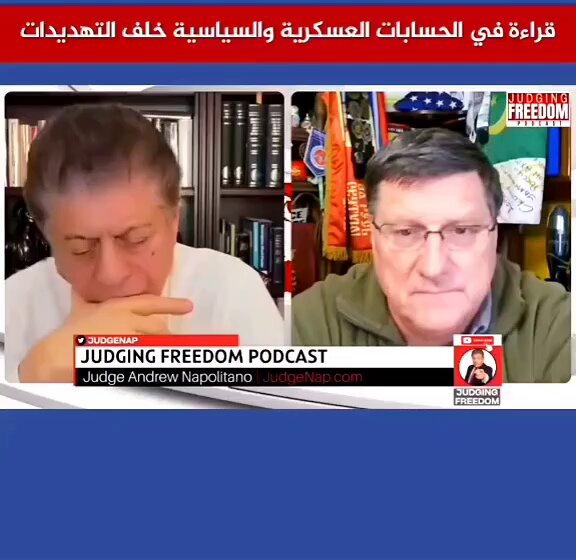
The most prominent topic is the ongoing tension between the United States and Iran, with users analyzing the potential for military conflict and negotiations. Dr. Hussein Al-Safi (Post Impact: 100%) shares an analysis from former US Marine intelligence officer Scott Ritter about the reasons for the delayed American strike on Iran. Other accounts speculate on the outcome of potential talks in Oman. Ali Farhan (Post Impact: 51%) predicts that Iran will gradually make concessions, starting with its regional proxies, then its nuclear enrichment program, and finally its missile capabilities, stating that “Iran’s arms and its tails will be the first to be sold at the negotiating table for pennies.” Similarly, quoting the New York Times, Rusly Al-Maliki (Post Impact: 33%) reports that Iran has agreed to discuss its missile program and armed groups in talks with the US. Laqaa Maki (Post Impact: 48%) questions the speed of the US response to negotiation pressures, finding it strange given their earlier refusal.
2. Iran’s Alleged Links to Al-Qaeda and ISIS
A significant narrative alleges deep connections between the Iranian regime and terrorist organizations. Rusly Al-Maliki (Post Impact: 79%), citing Afghanistan International, reports that Al-Qaeda leader Saif al-Adel is based in Iran and has consulted with the Taliban about potentially moving the group’s temporary leadership to Afghanistan if the Iranian regime falls. Another widely shared story, posted by Aayad Al Twfan (Post Impact: 58%), features a video of a former Iranian official, Brigadier General Jaber Rajabi, who defected from the IRGC. In the video, Rajabi claims the Iranian regime under Khamenei was responsible for bringing ISIS criminals into Iraq. Bahaa Khaleel (Post Impact: 18%) supports this view, stating that Nouri Al-Maliki, in agreement with Tehran, paved the way for ISIS to occupy Sunni provinces.
3. Escalating Political Feud Between Al-Halbousi and Al-Maliki
Intense domestic political conflict between Mohammed Al-Halbousi and Nouri Al-Maliki is a major topic of discussion, particularly following their recent television interviews. Hussam Alhaj (Post Impact: 44%) observes that Al-Maliki ignored Al-Halbousi in his interview, while Al-Halbousi mentioned Al-Maliki in almost every answer, suggesting this reflects their respective levels of “anxiety and reassurance.” Dr. Zainab Al-Dulaimi (Post Impact: 19%) praises Al-Halbousi’s “courageous and frank” stance, noting he rejected Al-Maliki’s candidacy because of the displacement and detention his people suffered under Al-Maliki’s rule. Conversely, the spokesperson for the Kurdistan Regional Government issued a sharp rebuke to Al-Halbousi, as reported by Shaho Al-Qaradaghi (Post Impact: 27%), stating: “Erbil does not welcome you and you are too insignificant to set limits on the will of the Region.”
4. Kurdistan Region Leaders Conduct High-Level Diplomacy
Leaders of the Kurdistan Region of Iraq are actively engaged in international diplomacy. Nechirvan Barzani (Post Impact: 57%), President of the Kurdistan Region, announced he received Jean-Noel Barrot, the French Minister for Europe and Foreign Affairs, in Erbil for discussions on their strategic partnership and regional security. Meanwhile, Masrour Barzani (Post Impact: 39%), the Prime Minister of the Kurdistan Region, posted about his activities at the World Government Summit in the UAE, where he met with Mohammad Al Gergawi and praised the UAE’s model of economic development. He also posted about a meeting with Sheikh Hamdan bin Mohammed Al Maktoum to discuss strengthening bilateral relations, as seen in a post by Masrour Barzani (Post Impact: 17%).
5. Iran Conducts Military Drills and Displays New Missiles
Iran’s military activities are being closely monitored. Wasan Al-Shaykhli (Post Impact: 53%) shared a video of the Iranian Revolutionary Guard Corps (IRGC) conducting military exercises in the Strait of Hormuz, showing missiles being launched from underwater. This display of military strength is seen as a message ahead of potential negotiations. In a related post, Ahmed Abdulsada (Post Impact: 21%) interprets Iran’s announcement of its new “Khorramshahr-4” hypersonic ballistic missile as a “firm and decisive message to the Americans that the ‘Iranian missile file’ is not up for discussion at the negotiating table.” He notes the missile has a range of 2000 km and can penetrate electronic defenses.
6. Alleged Plot to Destabilize Iraq by Raghad Saddam Hussein
A specific claim about a plot to destabilize Iraq has gained significant traction. The account Haydar (Post Impact: 52%), citing Mahmoud Mawaldi, the General Coordinator of the National Liberation Party in Syria, alleges that Raghad Saddam Hussein held a meeting with Syrian leader Al-Jolani. The meeting was reportedly sponsored by British and Jordanian intelligence and attended by former officers from Saddam’s army and others, with the goal of undermining stability in Iraq. This information, while impactful, originates from a single named source within the post.
7. Syrian Actions Perceived as Hostile Towards Iraq
Users are circulating reports of recent hostile actions by Syrian groups against Iraq. Haydar (Post Impact: 61%) shared a video with the caption “Syrian provocations against Iraqis continue.” Another account, Wasan Al-Shaykhli (Post Impact: 14%), reported that Syrian militants belonging to the forces of “Ahmed al-Shara” used heavy machinery to cut the flow of the Euphrates River towards Iraq. These posts contribute to a narrative of growing tensions and provocations from Iraq’s western neighbor.
8. “Epstein Documents” Reveal Details on Al-Maliki’s Governance
Several accounts are discussing recently released “Epstein documents” and their purported contents regarding the rule of former Prime Minister Nouri Al-Maliki. Mujahid Al-Taie (Post Impact: 28%) provides a detailed summary, claiming Al-Maliki’s name is mentioned over 100 times and that the documents describe him as a “sectarian and authoritarian ruler” whose policies were a key factor in weakening state institutions and led to the rise of ISIS. The post cites former US ambassador Ryan Crocker, who allegedly noted in one document that Al-Maliki’s actions pushed tribal sheikhs toward armed confrontation. Laqaa Maki (Post Impact: 13%) and Othman Al-Mukhtar (Post Impact: 15%) also shared links and commentary on the documents’ contents concerning Iraq.
9. Protest at Iraqi Consulate in Los Angeles
A protest at the Iraqi consulate in Los Angeles is being reported by multiple accounts. Haydar (Post Impact: 31%) reports that Iranian dissidents demonstrated near the consulate to protest Iraq’s support for Iran, and that consulate staff used a spray to disperse them, causing injuries and prompting an investigation by the Los Angeles police. Sufian Al-Samarrai (Post Impact: 12%) adds that the protesters included members of the Iranian and Jewish communities who were protesting the alleged involvement of Shia militias in killing Iranians. He claims the consulate staff sprayed them with “chemicals for killing insects.”
10. Growing Divisions within the Shia Coordination Framework
There is growing discussion about internal fractures within the Shia Coordination Framework over the formation of the next government. Najah Mohammed Ali (Post Impact: 18%) describes the disagreements as a “real threat to the so-called Shiite governance” and warns of a potential collapse of the Framework. Ameer aldaami (Post Impact: 14%) expresses surprise at the severity of the division, noting the Framework had previously been united against Muqtada al-Sadr’s movement. He observes that factions within the Framework are now aligning with former adversaries, and that Al-Maliki, who was central to the Framework’s strength, is now being opposed from within.