2026-02-07: Iranian Excavation on Iraqi Tribal Land Sparks Outrage

Based on an analysis of 434 X / Twitter posts on February 7, 2026, Miqrab AI identified several key narratives dominating Iraqi online discourse. The most prominent themes included significant domestic friction over Iran’s unauthorized excavation activities on Iraqi soil, which users framed as a violation of national sovereignty. Heightened US-Iran tensions were also a major topic, manifested through discussions of diplomatic maneuvers and military posturing in the region. Internally, a contentious political debate surrounded the potential return of Nouri al-Maliki to the premiership, while other conversations involved reflections on controversial historical figures and economic grievances leading to planned commercial strikes.
Table Of Content
- 1. Iranian Excavation on Iraqi Tribal Land Sparks Outrage
- 2. US-Iran Tensions and Diplomatic Posturing
- 3. Controversy Over Nouri al-Maliki’s PM Candidacy
- 4. Revisiting Controversial Iraqi Historical Figures
- 5. Comparing Iraqi and Iranian Military Capabilities
- 6. Commemorating Slain PMF Commander Abu Baqr al-Saadi
- 7. Politician’s Claim of Trump’s Attention Sparks Ridicule
- 8. Multiple Security Incidents Reported Across Iraq
- 9. Economic Protests Planned Against New Customs Tariffs
- 10. Iraqi Factions React to International Epstein Scandal
Today’s Top 10 X (Twitter) Trends in Iraq:
1. Iranian Excavation on Iraqi Tribal Land Sparks Outrage
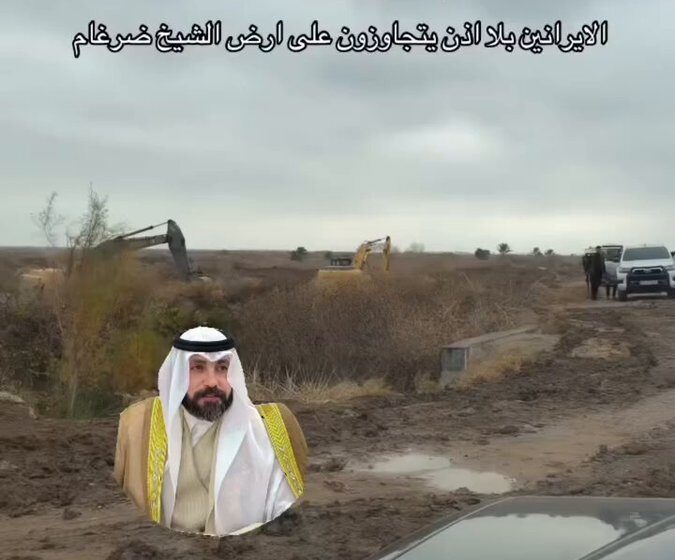
A significant story emerged from southern Iraq, where Iranian excavators were found digging on land belonging to the Bani Malik tribe in Basra, reportedly searching for the remains of soldiers from the Iran-Iraq War without official permission. Posts by Rusly Al-Maliki (Post Impact: 33%) and others shared videos of former MP Sheikh Dirgham Al-Maliki confronting the machinery operators, declaring the land is Iraqi and Arab. The accounts expressed widespread outrage at what they described as a blatant violation of Iraqi sovereignty. Accounts like Hiba Alnnayib (Post Impact: 6%) and Raad Hashim (Post Impact: 6%) condemned the Iraqi government’s silence and Iran’s lack of respect for its neighbor.
2. US-Iran Tensions and Diplomatic Posturing
The visit of US envoys Wetkoff and Kushner to the USS Abraham Lincoln aircraft carrier following diplomatic meetings in Muscat dominated discussions about regional tensions. Accounts widely interpreted the move as a direct military pressure tactic against Iran. Steven Nabil (Post Impact: 22%) and Rafid Jaboori (Post Impact: 10%) highlighted the visit as an unusual message reinforcing US military presence alongside diplomatic efforts. Analyst Liqaa Maki (Post Impact: 15%) characterized the American approach as that of “merchants” unlikely to concede easily, while Dr. Zaid Abdulwahab Al-Adhami (Post Impact: 6%) quoted Axios, naming the USS Abraham Lincoln as the likely “spearhead in any future US attack on Iran.”
3. Controversy Over Nouri al-Maliki’s PM Candidacy
The potential return of Nouri al-Maliki to the premiership generated significant controversy and political maneuvering online. Discussions ranged from the timing of his name allegedly appearing in the “Epstein files,” as noted by Raad Hashim (Post Impact: 11%), to criticism of his supporters’ sectarian rhetoric. Mashaan al-Jabouri (Post Impact: 9%) condemned what he called “hate speech” from pro-Maliki accounts directed at Sunni leaders Khamis al-Khanjar and Mohammed al-Halbousi. In the midst of the debate, Hydir (Post Impact: 5%) reported a statement from the Dawa Party insisting that Maliki does not intend to withdraw his candidacy and that the Coordination Framework remains committed to him.
4. Revisiting Controversial Iraqi Historical Figures
Discussions on X/Twitter revisited contentious figures from Iraq’s history, sparking debate. One widely engaged post from Rusly Al-Maliki (Post Impact: 32%) condemned Abd al-Karim Qasim on the anniversary of the February 8 coup, blaming his “treachery and filthy coup” for decades of national loss. In a separate but related trend, Wasan Al-Shaikhli (Post Impact: 26%) shared a video of cleric Ahmed Al-Kubaisi questioning why Saddam Hussein effectively “surrendered the city of Baghdad without a fight” in 2003, prompting users to re-examine the fall of the former regime.
5. Comparing Iraqi and Iranian Military Capabilities
A narrative comparing Iran’s current military technology to Iraq’s past achievements gained significant traction. A post by Aayad Al Twfan (Post Impact: 26%) drew direct parallels between Iran’s new Khorramshahr missile and Iraq’s Al-Abid missile from 1989, suggesting that “Iran, after 37 years, has reached what we reached in 1989.” This perspective framed Iran’s progress as lagging behind Iraq’s historical capabilities. In a related vein, Dr. Hussein Al-Safi (Post Impact: 13%) presented a different comparison, arguing that unlike the US, Iran has never initiated an attack on another country without first being attacked itself.
6. Commemorating Slain PMF Commander Abu Baqr al-Saadi
Several accounts commemorated the anniversary of the death of Abu Baqr al-Saadi, a commander in the Popular Mobilization Forces (PMF) killed in a US strike. Posts by Emad Al Musafir (Post Impact: 16%) and Ahmed Abdulsada (Post Impact: 8%) described his killing as a blatant violation of Iraqi sovereignty and praised him as a hero of the resistance. These accounts highlighted that the Americans had designated him a “high-value target,” which they presented as proof of his effectiveness and importance in confronting US forces in Iraq.
7. Politician’s Claim of Trump’s Attention Sparks Ridicule
A claim by State of Law member Abdulrahman al-Jazairi that former US President Donald Trump actively follows his X/Twitter posts was met with widespread ridicule. Accounts like ahmedmeckya (Post Impact: 12%) and Dr. Ghalib Al-Daamy (Post Impact: 8%) mocked the statement as absurd and self-aggrandizing. Hydir (Post Impact: 6%) and Raad Hashim (Post Impact: 5%) shared the video clip of al-Jazairi stating, “I have been informed from Washington that he follows you because you attack him daily,” turning the politician’s claim into a point of public mockery.
8. Multiple Security Incidents Reported Across Iraq
Various security incidents were reported, highlighting ongoing instability. The U.S. Embassy Baghdad (Post Impact: 19%) announced a “controlled detonation” at its diplomatic support facility in Baghdad. Elsewhere, Hanan Abdullatif (Post Impact: 17%) reported the discovery of a mass grave in the Ishaqi area of Salah al-Din, a region she states is under the control of Muqtada al-Sadr’s Saraya al-Salam militia. Meanwhile, the Ministry of Interior, as reported by Hydir (Post Impact: 9%), announced that two security personnel were killed during an operation to arrest a wanted individual in Karbala.
9. Economic Protests Planned Against New Customs Tariffs
A call for widespread commercial strikes and market closures across Iraq trended in protest of new customs tariffs imposed by the government. Accounts such as Ali Al-Mikdam (Post Impact: 6%) and Hydir (Post Impact: 8%) reported that the decision has negatively impacted merchants and the movement of goods, leading to containers piling up at the port of Umm Qasr. Some, like _. suhair Al_jumaili (Post Impact: 6%), framed the planned general strike as the beginning of a “merchants’ revolution” sparked by the new taxes.
10. Iraqi Factions React to International Epstein Scandal
The international Jeffrey Epstein scandal is being leveraged by Iraqi political factions for domestic messaging. The Popular Mobilization Forces (PMF), according to posts from Hydir (Post Impact: 8%) and Shahou Al-Qaradaghi (Post Impact: 4%), used the scandal to draw a moral contrast, stating it “shows the vast difference between us and our enemies” and proves their own commitment to human rights. In a different take, politician Ezzat Alshabandar (Post Impact: 5%) predicted the scandal’s fallout would push Donald Trump to become even more aggressive in implementing Israeli interests in the Middle East.