2026-02-17: Confusion Over the Start of Ramadan

Based on an analysis of 554 trending X / Twitter posts on February 17, 2026, by Miqrab AI, the discourse in Iraq is dominated by a mix of religious announcements, domestic political turmoil, and escalating regional tensions. The most prominent conversations centered on widespread confusion regarding the official start date of Ramadan, with conflicting announcements from various religious authorities. Simultaneously, significant attention was given to the heightened geopolitical anxiety surrounding potential US-Iran conflict, with users sharing news of military deployments and analyzing statements from leaders on both sides. Internal Iraqi politics were also a major focus, featuring heated debates over Nouri al-Maliki’s potential candidacy for prime minister, a contentious session in parliament to confirm the Army Chief of Staff, and tribal reactions to criticism of Iraq’s ambassador to Saudi Arabia.
Table Of Content
- 1. Confusion Over the Start of Ramadan
- 2. Escalating Iran-US Tensions and Military Posturing
- 3. Tamim Tribe Defends Ambassador Safiya Al-Suhail
- 4. Heated Debate Over Nouri al-Maliki’s Candidacy for PM
- 5. Iraqi Forces’ Operations on the Syrian Border
- 6. Parliament Confirms Army Chief Amidst Confrontation
- 7. Public Figures Extend Ramadan Greetings
- 8. Tensions and Shifts in Kurdish Politics
- 9. Focus on Corruption and Money Laundering
- 10. Scrutiny on Parliament Speaker Haybat al-Halbousi
Today’s Top 10 X (Twitter) Trends in Iraq:
1. Confusion Over the Start of Ramadan
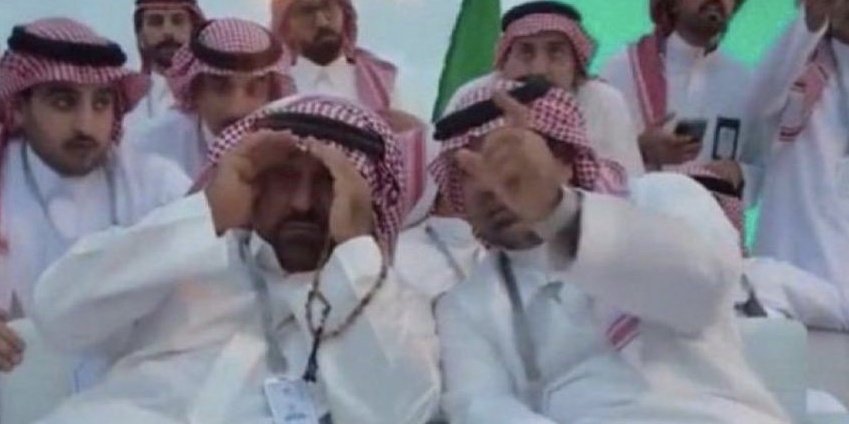
Multiple accounts reported on the widespread confusion and conflicting announcements regarding the first day of Ramadan. The account Haidar (Post Impact: 14%) shared that Iraq’s Sunni Waqf initially announced Thursday as the first day of Ramadan after being unable to sight the crescent moon, only to later retract that and declare Wednesday as the start. This user also noted that Al-Azhar in Egypt and the Shia authority in Najaf both declared Thursday as the first day, contrasting with Saudi Arabia’s declaration of Wednesday. Astronomer Mohammed al-Rawi was cited by Haidar (Post Impact: 15%) as stating that sighting the moon was impossible and that the initial announcements followed Saudi Arabia’s lead, which was based on astronomical calculations rather than actual sighting. This discrepancy was further highlighted by posts from Mustafa Al-Dulaimi (Post Impact: 3%) and Haidar (Post Impact: 5%), who noted that the Mufti of Iraq, Rafi al-Rifai, also declared Thursday as the start of Ramadan due to the inability to see the crescent.
2. Escalating Iran-US Tensions and Military Posturing
Discussions about a potential conflict between Iran and the United States were prominent, fueled by reports of military movements and bellicose statements. Rusly Al-Maliki (Post Impact: 16%) detailed the deployment of dozens of American F-22, F-16, and F-35 fighter jets to the Middle East, noting that the F-22 is typically used only for active warfare. Meanwhile, several accounts, including Haidar (Post Impact: 5%) and Steven Nabil (Post Impact: 6%), shared threats from Iran’s Supreme Leader, who warned of a weapon capable of sinking US aircraft carriers. In contrast, Dr. Hussein Al-Safi (Post Impact: 20%) provided a detailed analysis suggesting Iran is preparing for a major deal with the US, offering concessions like reducing uranium enrichment in exchange for economic benefits, viewing negotiations as a way to buy time and improve its global image. Rafid Jaboori (Post Impact: 5%) suggested that while progress has been made in talks, a final agreement or military action would likely come after Ramadan.
3. Tamim Tribe Defends Ambassador Safiya Al-Suhail
The Tamim tribe issued an official statement in defense of Iraq’s Ambassador to Saudi Arabia, Safiya Talib Al-Suhail, following what it described as an “unprecedented attack” against her. The statement, shared by Ghaith Al-Tamimi (Post Impact: 32%), distinguished between her official duties as a diplomat, which are under the purview of the Iraqi state, and her social status as a member of the tribe. The tribe asserted that personal insults and defamation against her have exceeded the bounds of acceptable criticism and fall into the realm of civil and criminal liability. The statement announced that a team of lawyers has been tasked with monitoring media and digital platforms to pursue legal action against anyone involved in slander or spreading misinformation. Haidar (Post Impact: 4%) also summarized the tribe’s statement, highlighting the threat to hold accountable those who “published against” the ambassador.
4. Heated Debate Over Nouri al-Maliki’s Candidacy for PM
The potential candidacy of Nouri al-Maliki for Prime Minister sparked intense debate and strong reactions. Faiq Al-Sheikh Ali (Post Impact: 28%) launched a direct and harsh attack on Maliki, demanding he “withdraw your nomination for prime minister and step down from power, and leave humiliated and defeated.” He accused Maliki of harming Iraq and its people. On the other hand, Hisham al-Rikabi (Post Impact: 4%) dismissed reports of Maliki’s withdrawal as baseless rumors spread by a “misleading media campaign,” insisting the Coordination Framework is committed to its political positions. Analyst Ahmed Abdulsada (Post Impact: 5%) argued that those calling for Maliki to withdraw to avoid US sanctions should also accept their own exclusion, as the “American veto” would likely include them as well.
5. Iraqi Forces’ Operations on the Syrian Border
Reports emerged of Iraqi forces crossing into Syrian territory for different alleged purposes, raising concerns among some users. Omar Abdulsatar Mahmoud (Post Impact: 17%) and Othman Al-Mukhtar (Post Impact: 10%) both reported that Hashd al-Shaabi militias entered the Al-Baghuz area, stole livestock, and kidnapped a 25-year-old shepherd, Mohammed Aliwi Al-Dhuhair, taking him back to Iraq. They noted that such incidents of theft and abduction have been repeated in the area. In a different account of events in the same region, Haidar (Post Impact: 14%), citing Syrian media, reported that an Iraqi force entered Syrian territory and arrested Daesh elements in the Shaitat desert, identifying one of the captured as “Mohammed Aliwi Al-Dhahir.”
6. Parliament Confirms Army Chief Amidst Confrontation
The Iraqi Parliament’s vote to confirm General Abdul Amir Yarallah as the Army Chief of Staff was marked by a tense confrontation between the Speaker and a Kurdish deputy. As shown in videos shared by Haidar (Post Impact: 8%) and Yasser Eljuboori (Post Impact: 7%), Kurdish MP Farhad Al-Atroushi objected to the vote, leading Speaker Haybat al-Halbousi to dismiss his objection and tell him, “Aidak lak” (roughly, “your hand is for you,” a dismissive phrase). The Ministry of Defense and its spokesperson, Yehia Rasool (Post Impact: 4%), issued statements congratulating General Yarallah, viewing the renewed confidence as a reflection of his professional competence. Conversely, Najeh Abbas Al-Mizan (Post Impact: 4%) claimed the vote was carried out under threat and that Yarallah is a “pro-Iran tail.”
7. Public Figures Extend Ramadan Greetings
Numerous political figures and public personalities took to X to extend greetings for the holy month of Ramadan. Raghad Saddam Hussein (Post Impact: 14%) wished Iraqis and the Arab and Islamic nations a blessed month, calling for it to be an opportunity to “strengthen the unity and cohesion of Iraqis.” Similarly, Kurdistan Region President Nechirvan Barzani (Post Impact: 10%) extended warm congratulations to Muslims in Kurdistan, Iraq, and the world, hoping the month would bring goodness, stability, and deepen the spirit of tolerance. Greetings were also shared by Parliament Speaker Mohamed Al-Halbousi (Post Impact: 6%), asking for the month to bring mercy and peace.
8. Tensions and Shifts in Kurdish Politics
Events both in Baghdad and the Kurdistan Region pointed to significant tensions within Kurdish politics. In the Iraqi Parliament, a heated clash occurred between Speaker Haybat al-Halbousi and Kurdish Democratic Party (KDP) MP Farhad al-Atroushi over the vote for the Army Chief of Staff, as reported by Zaidon Samir (Post Impact: 3%) and others. This confrontation led Dr. Nayif Kurdistani (Post Impact: 3%) to predict that the Speaker’s tenure might be limited. Concurrently, Haidar (Post Impact: 3%) reported on a meeting in Ryan al-Kildani’s office that included several rival Kurdish parties such as the PUK, New Generation, and others. The post suggests these parties are forming alliances to create a majority in the regional parliament and form a government in Erbil without the Barzani-led KDP, indicating a potential major political realignment.
9. Focus on Corruption and Money Laundering
Several accounts highlighted efforts and allegations related to financial corruption in Iraq. Mohamed Almaroof (Post Impact: 6%) announced that the U.S. Treasury’s Financial Crimes Enforcement Network has launched a platform to receive confidential reports on financial corruption and money laundering, offering large financial rewards to whistleblowers. He framed this as an opportunity to target the “corrupt political system in Iraq” and stated, “Corruption is no longer safe.” In a separate post, Abu Darandash Alaskari (Post Impact: 3%) accused an individual named “Abu Janna” of money laundering, questioning how he could afford to purchase land for 1.3 billion dinars and asking, “From where did you get this?”
10. Scrutiny on Parliament Speaker Haybat al-Halbousi
The conduct and future of Parliament Speaker Haybat al-Halbousi came under scrutiny from various commentators following a contentious parliamentary session. Falah Al-Mashal (Post Impact: 3%) criticized the Speaker’s language toward a deputy, asking how citizens should behave when leaders use such disrespectful rhetoric. He accused the Speaker of acting with the “mentality of a tribal sheikh.” Dr. Yahya Al-Kubaisi (Post Impact: 3%) questioned whether the Speaker was “selling out” the position of Army Chief of Staff for a “dirty deal.” In contrast, Zaidon Samir (Post Impact: 3%) praised Halbousi’s actions as showing the “courage of the law” for upholding the internal rules of parliament despite threats. The intense reactions led Dr. Nayif Kurdistani (Post Impact: 3%) to suggest that Halbousi’s time in the position is now just “a matter of time.”