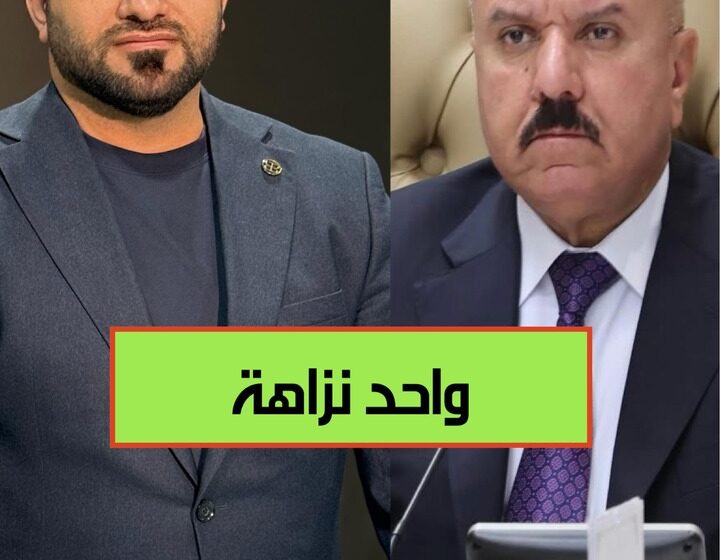
2026-04-12: Minister of Interior Sues Journalist Haider Al-Hamdani

Based on an analysis of 436 Facebook posts on April 12, 2026, Miqrab AI identified several key narratives dominating online discussions in Iraq. The most prominent story involved legal action taken by the Minister of Interior against a journalist, sparking a debate on freedom of speech and corruption. Simultaneously, significant attention was given to escalating regional tensions, with numerous pages covering the failure of US-Iran negotiations and the subsequent announcement of a US naval blockade on Iranian ports. Domestically, high-level political meetings continued following the election of a new president, with leaders discussing the formation of a new government. Social issues also trended, including public outcry over a teacher’s violent assault on a student, and debates over proposed changes to laws affecting internal security forces.
Table Of Content
- 1. Minister of Interior Sues Journalist Haider Al-Hamdani
- 2. US Imposes Naval Blockade on Iran
- 3. High-Level Political Meetings on Government Formation
- 4. Debate Over Internal Security Forces Retirement Law
- 5. Nizar Amedi Elected as New President of Iraq
- 6. Ministry Investigates Teacher’s Assault on Student
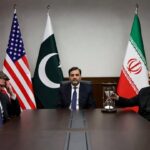
- 7. Failure of US-Iran Negotiations in Pakistan Reported
- 8. Divisive Statements by Public Figures Spark Controversy
- 9. Developments in Lebanon Conflict Draw Iraqi Attention
- 10. Ongoing Counter-Terrorism Operations Across Iraq
Today’s Top 10 Facebook Trends in Iraq:
1. Minister of Interior Sues Journalist Haider Al-Hamdani
The most engaged-with story of the day revolves around the Minister of Interior filing two lawsuits against journalist Haider Al-Hamdani. Haider Al-Hamdani (Post Impact: 100%) announced the legal action on his page, stating it was in response to his reporting on what he called the “corrupt traffic tremor project.” The news was also shared by other pages, such as Ammar Al-Halfi (Post Impact: 11%), who noted that the lawsuit was filed because of Al-Hamdani’s criticism of the project. This development has generated significant discussion about freedom of the press and the government’s response to media scrutiny of its projects.
2. US Imposes Naval Blockade on Iran
A major international story capturing attention is the United States’ decision to implement a naval blockade on Iranian ports. Steven Nabil (Post Impact: 12%) and Rusly Al-Maliki (Post Impact: 3%) both shared an official statement from US Central Command (CENTCOM) detailing the blockade, set to begin on April 13. The statement clarifies that the blockade will apply to all vessels entering or leaving Iranian ports but will not impede navigation through the Strait of Hormuz for ships traveling to non-Iranian ports. Set Ashwaq um Al-Qanuniyya (Post Impact: 19%) analyzed the potential consequences, predicting a rise in oil and gas prices that would harm even the US, China, and India. This sentiment was echoed by Al-Khuwa Al-Nadhifa (Post Impact: 10%), which quoted Iranian Parliament Speaker Ghalibaf as saying, “Enjoy these prices, because with the so-called siege you will miss the $4 price.”
3. High-Level Political Meetings on Government Formation
Following the election of a new president, Iraqi political leaders have been engaged in a series of high-level meetings to discuss the formation of a new government. Prime Minister Mohammed Shia’ Al Sudani’s page, Al-Mohandes Mohammed Shia’ Al Sudani (Post Impact: 41%), reported on his meeting with Hadi al-Amiri, Secretary-General of the Badr Organization, where they discussed forming a coalition government capable of facing challenges. The same page also covered a meeting with Ammar al-Hakim, head of the National Wisdom Movement (Al-Mohandes Mohammed Shia’ Al Sudani (Post Impact: 11%)), emphasizing the need to complete constitutional entitlements. In a separate meeting, Al Sudani met with Taqaddum Party President Mohammed al-Halbousi, as reported by Mohammed Al-Halbousi‘s page (Post Impact: 7%). Adding another layer, Steven Nabil (Post Impact: 7%) shared a photo of Saad Al-Bazzaz with Khamis al-Khanjar and al-Halbousi, suggesting moves are being made for the post-war political landscape.
4. Debate Over Internal Security Forces Retirement Law
A video post by Aziz Nasser (Post Impact: 82%) has drawn significant attention to the status of a proposed amendment to the Service and Retirement Law for Internal Security Forces. The post questions the progress of the bill and also raises the issue of a proposal concerning reserve officers. The high engagement on this single post indicates a strong interest among the public and members of the security forces in the legislative reforms that directly affect their careers, retirement benefits, and overall service conditions, highlighting a demand for transparency and updates on these crucial legal matters.
5. Nizar Amedi Elected as New President of Iraq
The election of Nizar Amedi as the new President of the Republic of Iraq was a major political development covered by several pages. The page Maher Mohi::Sawt Humat Al-Watan (Post Impact: 41%) announced that Mr. Amedi had officially assumed his duties. Congratulations came from official bodies, including the head of the Iraqi Counter-Terrorism Service, as posted on the Iraqi Counter-Terrorism Service (Icts) page (Post Impact: 3%). However, the election was not without controversy. The Nineveh page (Post Impact: 2%) reported criticism from Haytham al-Mayahi, a member of the Kurdistan Democratic Party (KDP), who claimed the election was “unconstitutional” and that the president was chosen without a broader Kurdish consensus, sarcastically remarking they brought him from “Souk Muraidi.”
6. Ministry Investigates Teacher’s Assault on Student
A disturbing incident of a teacher assaulting a student has sparked outrage and an official response from the Ministry of Education. The page Al-Khuwa Al-Nadhifa (Post Impact: 18%) reported that the ministry announced an urgent investigation into the assault of a first-intermediate grade student at Al-Fidaa School for Boys. The student was allegedly attacked by a teacher while at the school to receive his academic exemption result. Khabar Ajel (Post Impact: 2%) provided more details, alleging the English teacher used a “pipe” in the attack and highlighted the cruel irony that the student was being punished at a moment of academic success, having just achieved a general exemption for his high performance.
7. Failure of US-Iran Negotiations in Pakistan Reported
Preceding the announcement of a naval blockade, several pages reported on the collapse of negotiations between the United States and Iran, which were taking place in Pakistan. Set Ashwaq um Al-Qanuniyya (Post Impact: 13%) broke the news, stating that the American delegation had departed Pakistan and declared the negotiations a failure. Further details were provided by Al-Khaliyya Al-Tactikiyya (Post Impact: 5%), which, citing an Iranian source, listed three key points that allegedly scuttled the deal: US demands for joint control over the Strait of Hormuz, the transfer of 60% enriched uranium out of Iran, and a 20-year ban on Iranian enrichment activities. The news was also covered by Ahmed Al-Hamdani (Post Impact: 4%), who linked the collapse directly to US threats of war.
8. Divisive Statements by Public Figures Spark Controversy
Controversial statements from religious and militia figures have been trending, causing significant debate online. A video shared by Al-I’lami Qahtan Adnan (Post Impact: 30%) criticizes a speaker who claimed, “The current Iranian army is better than the army of the Prophet Muhammad and his companions!” The post generated backlash against what was perceived as blasphemous and inflammatory rhetoric. Separately, a clip on the page Mashaw Eani Al-Ahbuhum (Post Impact: 11%) shows the militia commander known as Abu Azrael making disparaging remarks about the people of Dhi Qar province, stating, “Half of Nasiriyah are Baathists and not men.” These incidents highlight a trend of divisive language from public figures that is being widely circulated and condemned on social media.
9. Developments in Lebanon Conflict Draw Iraqi Attention
The ongoing conflict in Lebanon is also a subject of discussion among Iraqi Facebook pages, particularly concerning Israeli aggression and its broader implications. Prime Minister Mohammed Shia’ Al Sudani’s official page, Al-Mohandes Mohammed Shia’ Al Sudani (Post Impact: 14%), posted about a phone call with Lebanese President Joseph Aoun. In the call, Al Sudani condemned the “aggressions that Lebanon is exposed to by the Zionist occupation forces” and affirmed Iraq’s steadfast support for the Lebanese people. In a related development, the page Al-Khuwa Al-Nadhifa (Post Impact: 7%) reported that the American company “Apple” has deleted cities and villages in southern Lebanon from its maps, suggesting this is in preparation for renaming them in conjunction with the ongoing war.
10. Ongoing Counter-Terrorism Operations Across Iraq
Iraqi security forces continue to conduct operations to ensure stability and pursue terrorist remnants across the country. The Iraqi Counter-Terrorism Service (Icts) (Post Impact: 3%) and the Iraqi Special Operations Forces (Post Impact: 3%) both reported on a successful operation in Anbar province that resulted in the arrest of a terrorist element. Their statements also detailed wider search and clearing operations in Muthanna, Diyala, and Salah al-Din provinces, where several terrorist hideouts were destroyed. Additionally, Maher Mohi::Sawt Humat Al-Watan (Post Impact: 3%) announced that the West Nineveh Operations Command has launched a “wide pre-emptive operation to enhance security and stability” in the region.