2026-05-15: Scrutiny of Parliament’s Conduct and Voting Procedures

Based on an analysis of 347 Facebook posts trending on May 15, 2026, Miqrab AI identified that online discourse in Iraq was dominated by political developments, including intense scrutiny of the new government and parliamentary procedures. The formation of Prime Minister Ali Al-Zaidi’s cabinet and his initial diplomatic engagements were major topics of discussion, alongside criticism of parliamentary conduct and voting integrity. Concurrently, several humanitarian stories highlighting poverty and hardship gained significant traction, reflecting public concern over living conditions. Security issues also featured prominently, with widespread coverage of the FBI’s arrest of an Iraqi militant leader, Mohammed Baqer Al-Saadi, for allegedly planning terrorist attacks.
Table Of Content
- 1. Scrutiny of Parliament’s Conduct and Voting Procedures
- 2. New Government Takes Office and Receives International Calls
- 3. Humanitarian Stories of Poverty and Hardship Go Viral
- 4. FBI Arrest of Iraqi Militant Leader Mohammed Baqer Al-Saadi
- 5. Viral Video Shows Emotional MP Othman Al-Shaibani
- 6. Political Alliances Shift as Blocs Withdraw from Sudani Coalition
- 7. PM Al-Zaidi Pledges Support for Lebanon
- 8. US Delegation in China Discards Gifts, Sparking Debate
- 9. New PM Ali Al-Zaidi’s First Appearance Draws Criticism
- 10. Persistent Electricity Crisis and Official Recommendations
Today’s Top 10 Facebook Trends in Iraq:
1. Scrutiny of Parliament’s Conduct and Voting Procedures
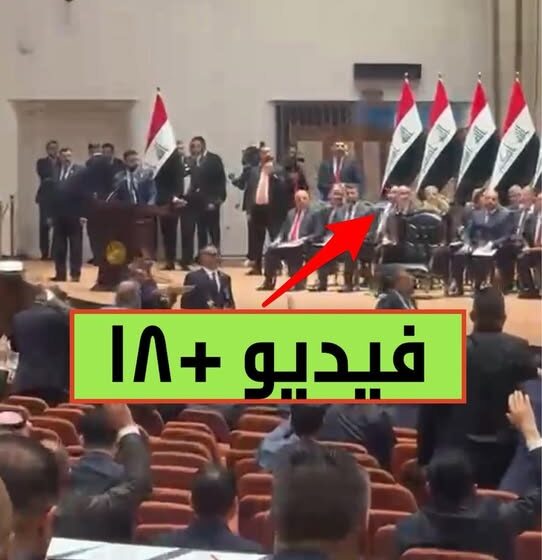
The most viral post of the day came from Haider Al-Hamdani (Post Impact: 100%), who shared a video with the provocative title, “Video +18 from inside the Iraqi Council of Representatives!” sparking widespread discussion about the behavior of officials. This critical view of parliament was echoed by other pages. Haider Khalaf Ghazi (Post Impact: 16%) criticized the preference for manual vote counting, suggesting that with electronic voting, “not a single minister would pass!” Furthermore, a video shared by Hussam Alhaj (Post Impact: 3%) allegedly showed the moment ministers for Planning, Education, Interior, and Culture failed to win the parliament’s confidence, adding to the narrative of political discord. Dr. Yahya Al-Kubaisi (Post Impact: 1%) described the voting process as “political prostitution” and a “mockery.”
2. New Government Takes Office and Receives International Calls
The formation of a new government and the appointment of new ministers was a major focus. The Iraqi Ministry of Communications (Post Impact: 23%) officially announced that Engineer Mustafa Jabbar Sanad had taken over as minister from his predecessor, Dr. Salih Mahdi Al-Hasnawi. The new minister himself, Mustafa Sanad (Post Impact: 58%), posted a message of resolve, stating, “With the strength of God and the determination of the persistent, we are prepared.” Concurrently, the new Prime Minister, Ali Faleh Al-Zaidi, began receiving diplomatic congratulations. The Media Office of the Iraqi Prime Minister (Post Impact: 13%) and Al Adhamiya News (Post Impact: 22%) both reported on a phone call between PM Al-Zaidi and Lebanese President Joseph Aoun, where the two discussed strengthening bilateral relations.
3. Humanitarian Stories of Poverty and Hardship Go Viral
Facebook pages highlighted several humanitarian cases, drawing attention to the difficult living conditions faced by some Iraqis. Al-I’lami Ahmed Al-Rikabi (Post Impact: 28%) shared a video of a man who lamented, “I have a broken taxi, I only have this one thousand dinars… and they demolished my house because it was on agricultural land.” This story of poverty and displacement resonated strongly with users. Similarly, Aziz Nasser (Post Impact: 19%) posted about an elderly woman named “Hajia Rajaa” who lives in a dwelling no larger than 16 square meters, questioning how this could happen “in an oil country!!!” These posts collectively painted a picture of economic hardship and elicited sympathetic responses from the public.
4. FBI Arrest of Iraqi Militant Leader Mohammed Baqer Al-Saadi
A major security story emerged regarding the arrest of Mohammed Baqer Al-Saadi, an Iraqi militia commander. Al-Khwa Al-Nadifa (Post Impact: 16%) shared photos from what it described as an FBI operation to arrest Al-Saadi and transfer him to the United States for trial on charges of planning armed operations against American interests. Journalist Steven Nabil (Post Impact: 9%) provided more context, stating that Al-Saadi had previously threatened him and others and was now facing the American justice system, which he called “divine justice.” Al-Tactical Cell (Post Impact: 3%) also reported on the transfer, noting Al-Saadi was the leader of a group called Ashab al-Yamin and was accused of planning attacks on Jewish sites in Europe and the U.S.
5. Viral Video Shows Emotional MP Othman Al-Shaibani
A video clip featuring Member of Parliament Othman Al-Shaibani circulated widely, prompting significant engagement. Ammar Al-Halfi (Post Impact: 27%) posted the reel with the caption, “My eyes are on you, MP Othman Al-Shaibani,” a phrase expressing deep sympathy or sorrow, suggesting the video showed the MP in a vulnerable or emotional state. The same sentiment was shared by Shojaa Faris (Post Impact: 2%), who simply wrote, “Othman’s eye teared up.” The high impact of the posts indicates the moment captured in the video struck a chord with the public, making it a notable trend.
6. Political Alliances Shift as Blocs Withdraw from Sudani Coalition
Reports of a significant political shift emerged, with several blocs announcing their withdrawal from the Reconstruction and Development Coalition led by former Prime Minister Mohammed Shia Al-Sudani. Al-Khwa Al-Nadifa (Post Impact: 9%) reported that the Al-Aqd Al-Watani and Sumariyun blocs, along with their allies and other MPs, had left the coalition. This news was also covered by Khabar Ajel (Urgent News) (Post Impact: 1%), which noted that the official statement cited reasons such as bypassing political agreements and narrow interests. This development suggests a realignment of political forces following the formation of the new government.
7. PM Al-Zaidi Pledges Support for Lebanon
The new Iraqi Prime Minister, Ali Al-Zaidi, made his support for Lebanon a prominent part of his initial diplomatic activities. Al Adhamiya News (Post Impact: 22%) reported that the Prime Minister affirmed, “Iraq will always stand with Lebanon and its people in these difficult circumstances.” This was part of a larger conversation with Lebanese President Joseph Aoun, which was also detailed by the Media Office of the Iraqi Prime Minister (Post Impact: 13%). The posts highlighted an emphasis on regional solidarity and mutual support early in the new government’s term.
8. US Delegation in China Discards Gifts, Sparking Debate
An anecdote about a recent US diplomatic visit to China caught the attention of Iraqi Facebook users. Rusly Al-Maliki (Post Impact: 4%) and Baghdad (Post Impact: 3%) both reported that the entire American delegation disposed of all gifts and souvenirs given to them by their Chinese hosts before boarding Air Force One. The posts also claimed that the delegation used dedicated “burner” phones for the trip and left their personal devices at home, highlighting a high level of security consciousness and mistrust between the two global powers.
9. New PM Ali Al-Zaidi’s First Appearance Draws Criticism
The first public appearance of the new Prime Minister, Ali Al-Zaidi, during the parliament’s confidence session, drew critical commentary from some observers. Dr. Ali Alkaissi (Post Impact: 4%) posted a detailed critique, noting two things: what he described as “very weak Arabic” and a “loose, wrinkled suit” that he felt did not project an image of statesmanship. He suggested a link between the “wrinkles in the suit” and “mental wrinkles.” A post from REC TUBER (Post Impact: 1%) analyzed what it called “Ali Al-Zaidi and the rules of media engagement for the next four years,” indicating that the new prime minister’s communication style and public image are already under close examination.
10. Persistent Electricity Crisis and Official Recommendations
The chronic issue of electricity shortages remained a topic of frustration. Taraef al-Alam bi-Uyun Iraqiya (World Jokes through Iraqi Eyes) (Post Impact: 2%) quoted the spokesperson for the Ministry of Electricity, Ahmed Mousa, as frankly advising citizens to switch to solar power because “I don’t have enough stations.” The same page also shared a video of an Jordanian in Baghdad expressing shock that an oil-exporting country suffers from such power outages. Adding to this, Ahmed AlHamdani (Post Impact: 1%) reported on the severe power crisis in Haditha, a city that ironically hosts some of Iraq’s largest dams and power stations.