2026-01-07: Anger Over New Taxes and Customs Tariffs on Consumer Goods

Based on an analysis of 422 Facebook posts trending on January 7, 2026, Miqrab AI identified several key narratives dominating online conversations in Iraq. The most prominent theme was widespread public criticism of the government’s decision to impose significant new customs duties and taxes on consumer goods, with many pages expressing fears of drastic price increases that would harm ordinary citizens. Another major topic was a heated cultural and political debate over regional dialects, sparked by a cleric’s comments and amplified by high-engagement content creators. Divisive historical interpretations also surfaced through a controversial statement about the status of soldiers who fought in the Iran-Iraq War. Additionally, users closely followed developing unrest in neighboring Iran and discussed local social issues, such as the mistreatment of a foreign tourist, which sparked conversations about national identity and hospitality.
Table Of Content
- 1. Anger Over New Taxes and Customs Tariffs on Consumer Goods
- 2. The “Ajal” Dialect Controversy Sparks Online Debate
- 3. Hashim al-Kindi’s Controversial Statement on War Martyrs
- 4. Iraqi Pages Closely Monitor Unrest and Protests in Iran
- 5. Death of Ministry of Defense Officer Ahmed Hassan al-Dharab
- 6. FC Barcelona Secures Commanding 5-0 Victory
- 7. Harassment of Japanese Tourist Sparks Outrage and Shame
- 8. Political Support for MP Amir al-Maamouri Amid “Media Attack”
- 9. Finance Minister Taif Sami Invokes Imam Ali on Justice
- 10. Reports on Fluctuating Prices of Cooking Gas in Baghdad
Today’s Top 10 Facebook Trends in Iraq:
1. Anger Over New Taxes and Customs Tariffs on Consumer Goods
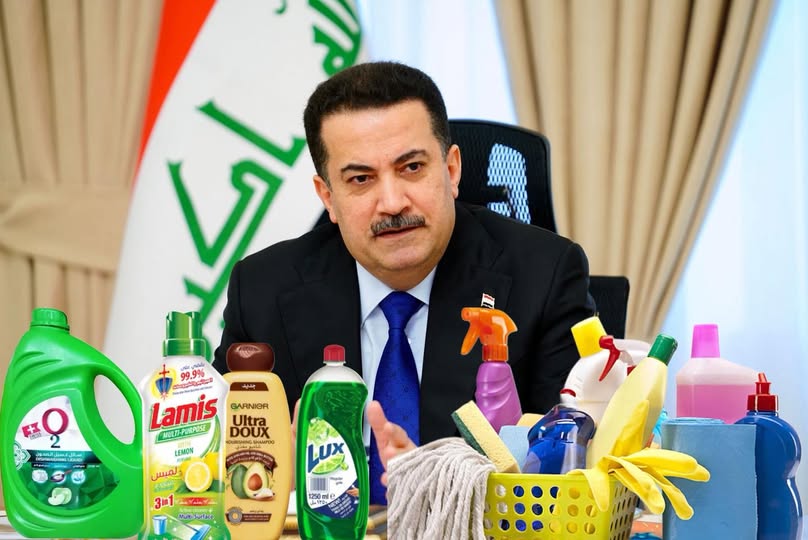
Iraqi Facebook pages widely reported on and criticized the Council of Ministers’ decision to impose additional customs fees and taxes on a range of consumer goods. World’s Jokes in Iraqi Eyes (Post Impact: 17%) detailed the approval of a 65% tax on household cleaning products and a 100% tax on cigarettes. Similarly, The Authentic Iraqi (Post Impact: 12%) highlighted the new fees on shampoo, detergents, and clothing. The decision was met with sharp criticism, with Hussein – IMADTech (Post Impact: 10%) calling the new tax law “unjust and shameful” and warning it would paralyze the market. Other pages, like World’s Jokes in Iraqi Eyes (Post Impact: 8%), noted that traders were already beginning to circumvent the high tariffs by routing their goods through the Kurdistan Region’s ports, leading to shortages and higher prices in Baghdad.
2. The “Ajal” Dialect Controversy Sparks Online Debate
A significant cultural debate erupted on social media concerning regional dialects, specifically the word “Ajal” (عجل), commonly used in western Iraq. The conversation was fueled by a viral reel from content creator Mohammed Nasser Khalif Mohammed Nasser Khalif (Post Impact: 71%), who defiantly stated, “Hey, Iraq is one, not two, and whoever doesn’t like it can bang their head against the wall.” This appeared to be a response to perceived criticism of the dialect. The Iraqi Media Center (Post Impact: 3%) shared a clip of Abu Habib al-Safi defending the word, saying they were not afraid of Saddam Hussein, who used the term, so they should not be afraid now. The controversy stems from remarks by cleric Emad al-Mussafer, with the page From Baghdad (Post Impact: 1%) reporting that a lawsuit has been filed against him for insulting those who use the word.
3. Hashim al-Kindi’s Controversial Statement on War Martyrs
A statement from political analyst Hashim al-Kindi ignited controversy online after he declared that Iraqi soldiers killed during the Iran-Iraq War should not be considered martyrs. Both the Iraqi Media Center (Post Impact: 19%) and From Baghdad (Post Impact: 4%) posted his quote: “Anyone who fought in the Iran-Iraq war is not a (martyr) because he was under the banner and rule of Saddam Hussein.” The posts shared this declaration without additional commentary, highlighting a divisive perspective on a significant period of Iraq’s history and the status of its veterans.
4. Iraqi Pages Closely Monitor Unrest and Protests in Iran
Iraqi social media pages closely followed reports of escalating tensions and demonstrations in neighboring Iran. Steven Nabil (Post Impact: 9%) noted an “accelerating pace of events and a noticeable increase in protest sites in Tehran over the past few hours.” Adding to this, Rusly Al-Maliki – Rusly Al-Maliki (Post Impact: 1%) shared a report from the Fars news agency about an armed attack that led to the death of two police officers in the city of Lardegan. The consistent updates from multiple pages, including Ahmed Alwashah (Post Impact: 2%), indicate a high level of interest among Iraqi audiences in the political stability of the region.
5. Death of Ministry of Defense Officer Ahmed Hassan al-Dharab
Several pages mourned the passing of Ahmed Hassan al-Dharab, an officer in the Ministry of Defense, who died from a sudden heart attack. The page Maher Muhyi::Voice of the Nation’s Protectors (Post Impact: 12%) announced his death, stating, “Once again, a heart attack snatches one of the Ministry of Defense’s personnel.” The announcement was echoed by Support for Iraqi Security Forces (Post Impact: 4%), which also shared the news of his passing. The posts reflect a sense of loss within the community that follows security and military affairs.
6. FC Barcelona Secures Commanding 5-0 Victory
Sports fans on Iraqi Facebook celebrated FC Barcelona’s decisive 5-0 victory against Athletic Bilbao in the semi-final of the Copa del Rey. The Clean Brotherhood (Post Impact: 7%) reported that “Barcelona crushes Athletic Bilbao with 5 goals to none.” The sentiment was shared by Sitt Ashwaq Umm Al-Qanuniyya (Post Impact: 6%), which celebrated the team’s advancement to the final with an “amazing five-goal win.” The posts highlight a strong following for international football among the Iraqi audience.
7. Harassment of Japanese Tourist Sparks Outrage and Shame
A video showing a Japanese tourist being harassed and subjected to an attempted robbery in Iraq provoked widespread condemnation and calls for accountability. Maher Muhyi::Voice of the Nation’s Protectors (Post Impact: 7%) expressed disgust, asking, “Honestly, a tourist comes to see our civilization and our people’s culture, and this is how you act towards him?” and called for the perpetrators to be identified. The page Babylon, Gate of the Gods (Post Impact: 2%) described the incident as shameful and far removed from Iraqi traditions of hospitality, while acknowledging that other Iraqis did step in to protect the tourist. The event prompted a broader discussion on Iraq’s image and the treatment of foreign visitors.
8. Political Support for MP Amir al-Maamouri Amid “Media Attack”
Facebook pages covered a political story centered on Member of Parliament Amir al-Maamouri of Babil province, who is reportedly facing a “media attack.” In response, fellow MP Dr. Haider al-Salami (Post Impact: 8%) published a statement of support, calling the campaign against al-Maamouri “unjustified” and urging political forces to listen to the demands of the people of Babil. The page of Mohammed al-Khazaei (Post Impact: 3%) shared a clip featuring politician Wael Abdul Latif, who claimed that “the entire city of Hilla demonstrated” in favor of appointing al-Maamouri, reinforcing the narrative of strong local support for the MP.
9. Finance Minister Taif Sami Invokes Imam Ali on Justice
A statement by Iraqi Finance Minister Taif Sami was shared across multiple news-oriented Facebook pages. Both Iraq 24 (Post Impact: 5%) and the Iraqi Media Center (Post Impact: 3%) reported on her declaration. According to the pages, Sami stated, “We follow the example of Imam Ali (peace be upon him) in establishing justice and supporting the truth.” The posts highlighted her commitment to these principles in her official capacity, framing her work within a religious and ethical context.
10. Reports on Fluctuating Prices of Cooking Gas in Baghdad
The price of cooking gas cylinders became a topic of discussion as pages reported conflicting prices across Baghdad, highlighting economic pressures on citizens. Journalist Ahmed al-Rikabi (Post Impact: 2%) reported that the price for a cylinder had reached 20,000 dinars in the capital and pointed to the cause of the crisis. In contrast, the page Latest Iraqi Events (Post Impact: 2%) showed gas cylinders being distributed in the Adhamiyah area for 5,250 dinars and asked followers about the prices in their neighborhoods. The varying reports suggest price instability and a potential shortage affecting different parts of the city.