2025-03-07: Outrage over “Syrian Coast Massacre” of Alawites

Based on an analysis of 663 X / Twitter posts by Miqrab AI, the key themes and narratives trending in Iraq on March 7, 2025, were overwhelmingly dominated by the recent sectarian violence in Syria. Accounts expressed widespread horror and condemnation over what they termed the “Syrian Coast Massacre,” where forces led by Ahmed al-Sharaa (al-Julani) were reported to have killed a large number of Alawite civilians in Latakia and Jableh. This event fueled a charged secondary conversation about the potential for sectarian spillover into Iraq, with some users warning of a similar scenario and accusing Iraqi Sunni figures of complicity through silence, while others pushed back against this rhetoric as dangerous incitement. Concurrently, high-engagement posts from cleric Muqtada al-Sadr sparked speculation about his political intentions, and a separate international narrative emerged around former U.S. President Trump’s renewed threats against Iran.
Table Of Content
- 1. Outrage over “Syrian Coast Massacre” of Alawites
- 2. Muqtada al-Sadr’s Cryptic Posts Spark Political Speculation
- 3. Fears of Sectarian Spillover into Iraq
- 4. Abu Azrael Signals Defiance from Damascus
- 5. Iran Blamed for Failed Alawite Uprising
- 6. Trump Threatens Imminent Action Against Iran
- 7. Demands for Iraqi Sunni Leaders to Condemn Syria Violence
- 8. Criticism of al-Julani and the Brutality of “New Syria”
- 9. Discussion on the Failures of Shia Governance in Iraq
- 10. Israel’s Role in the Syrian Conflict
Today’s Top 10 X (Twitter) Trends in Iraq:
1. Outrage over “Syrian Coast Massacre” of Alawites
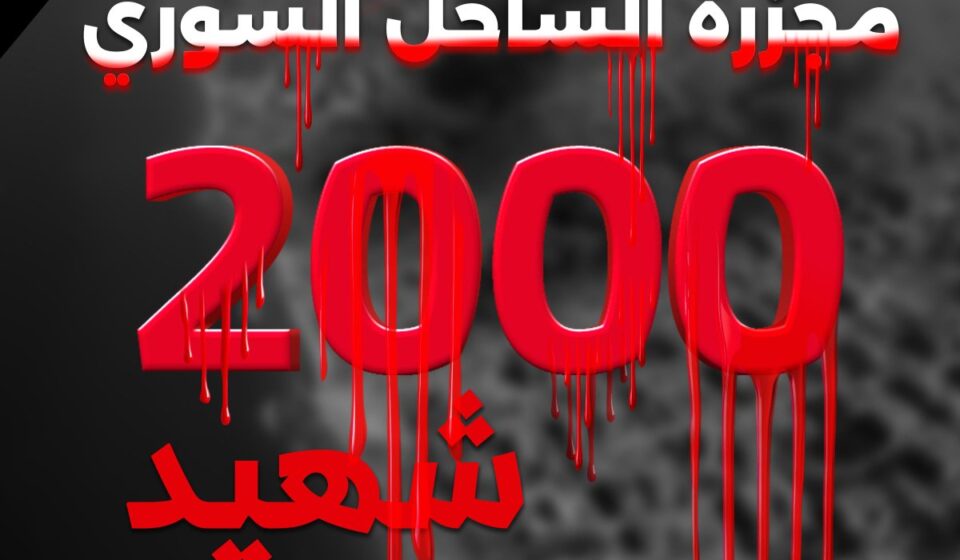
Iraqi social media was dominated by condemnation of what users are calling the “Syrian Coast Massacre,” describing large-scale killings of Alawite civilians in Syria’s coastal regions of Latakia and Jableh by forces associated with Ahmed al-Sharaa (al-Julani). Accounts like Huroof Sumaria (Post Impact: 55%) and Huroof Sumaria (Post Impact: 20%) urged followers to change their profile pictures and spread awareness using the hashtag #مجزرة_الساحل_السوري, claiming the death toll reached 2,000. Issam Hussein (Post Impact: 46%) reported 1,700 victims and noted a “shocking Arab and international silence.” In a high-impact post, Faiq Al-Sheikh Ali/My Word for History (Post Impact: 100%) issued a stark warning to the Alawite community, telling them to abandon any hope of ruling again and to distance themselves from Iran to avoid annihilation, stating, “The rule of the Alawites in Syria has ended until the Day of Judgment.”
2. Muqtada al-Sadr’s Cryptic Posts Spark Political Speculation
Cleric Muqtada al-Sadr published two high-impact posts consisting solely of images of religious texts, prompting widespread discussion about his intentions. The posts by Muqtada al-Sayyid Muhammad al-Sadr (Post Impact: 96%) and a second post (Post Impact: 88%), shared without any accompanying text, were interpreted by many as a significant signal amid the regional turmoil. Analyst Salim Al-Jumaili (Post Impact: 6%) suggested the Sadrists are “coming back strong,” and linked the cleric’s posture in a photo to his strategic thinking, stating, “When you see Sayyid al-Sadr with his turban slightly raised back, it means he has a big calculation in mind.” The posts fueled speculation about a potential return of the Sadrist movement to the political forefront.
3. Fears of Sectarian Spillover into Iraq
The violence in Syria triggered an intense debate about the possibility of renewed sectarian conflict in Iraq. Issam Hussein (Post Impact: 35%) provocatively asked if the “Syrian experiment” should be applied in Iraq, suggesting that some Sunnis desire “freedom of terrorism” rather than freedom of opinion. This sparked sharp rebukes from other users. Mustafa Al-Dulaimi (Post Impact: 16%) accused Hussein of sectarian incitement and called on the Iraqi judiciary to take action against his account for accusing an entire component of terrorism. Similarly, Omar Al-Janabi (Post Impact: 9%) highlighted Hussein’s post as a call for sectarian conflict.
4. Abu Azrael Signals Defiance from Damascus
Prominent militia figure Abu Azrael shared posts from Damascus, projecting a message of strength and defiance. In one post from inside the Umayyad Mosque, Abu Azrael (Post Impact: 59%) shared a picture with the caption “Indeed, tomorrow is near for him who awaits it,” and the hashtag #جُند_الله (Soldiers of God). He followed up with another wordless image post (Post Impact: 59%) from the same location. These posts were interpreted as a response to the events on the Syrian coast and a signal of a continued presence and potential future action by Shia paramilitary factions in Syria.
5. Iran Blamed for Failed Alawite Uprising
Several accounts argued that Iran’s influence was a primary cause of the catastrophic events on the Syrian coast. Rusly Al-Maliki (Post Impact: 17%) described the move by pro-Assad remnants as “very stupid,” stating it was driven by directives from Tehran and that Khamenei’s incitement had not stopped since Bashar’s fall. He asserted that this provocation allowed the new Syrian government to crush them decisively. In another post (Post Impact: 19%), he directly addressed those involved, asking, “Didn’t we tell you Khamenei would get you into trouble!?” This narrative frames the Alawite losses as a direct consequence of a miscalculation orchestrated by Iran.
6. Trump Threatens Imminent Action Against Iran
A significant international story trending in Iraq involved renewed threats against Iran by former U.S. President Donald Trump. Raad Hashim (Post Impact: 16%) and Steven Nabil (Post Impact: 8%) both quoted Trump as saying, “There will be interesting days soon with Iran, we are about to enter the final moments.” The posts highlighted Trump’s insistence that Iran cannot be allowed to obtain a nuclear weapon and that while a peace deal is preferable, “the other option will solve the problem.” These statements were circulated widely, adding another layer of geopolitical tension to the regional conversation.
7. Demands for Iraqi Sunni Leaders to Condemn Syria Violence
Some Iraqi commentators explicitly called out Iraqi Sunni political and religious leaders for their perceived silence regarding the massacres in Syria. Issam Hussein (Post Impact: 13%) argued that a lack of condemnation from Sunni parties, clerics, and activists fails to reassure their Shia partners and other minorities in Iraq that they reject extremist projects. He stated that such a condemnation is necessary to send a message that they will not support terrorism in Iraq. Similarly, Hassan Al-Kaabi (Post Impact: 9%) questioned why Iraqi national security services were not taking action against what he described as “dozens of pages and media figures from Anbar and Al-Arabiya” who support al-Julani’s crimes.
8. Criticism of al-Julani and the Brutality of “New Syria”
Alongside condemnation of the violence, users expressed deep skepticism and criticism toward its perpetrators and the vision of a “New Syria” they represent. Hassan Raham (Post Impact: 24%) remarked, “What the criminal and arrogant Assad family did over many years, the terrorist al-Julani did in a day or two.” Steven Nabil (Post Impact: 10%) stated that the videos of abuses, field executions, and dead bodies are “not the image the Syrian people struggled for” and called what happened a “crime that cannot be justified.” These posts reflect a view that the new powers in Syria are perpetuating a cycle of brutality, not ending it.
9. Discussion on the Failures of Shia Governance in Iraq
Amidst the focus on Syria, a distinct domestic conversation emerged criticizing the performance of Shia political parties in governing Iraq. Dr. Laith Shubbar (Post Impact: 10%) posted a controversial opinion, stating, “I say in all honesty and sincerity… the Shiite, in general, is the least competent in management and work,” attributing this not to their faith but to their upbringing and environment. Yasser Eljuboori (Post Impact: 6%) amplified this theme by sharing a clip of businessman Aras Habib stating that “the Shia have failed colossally in governing and managing the state’s resources.”
10. Israel’s Role in the Syrian Conflict
The role of external actors, particularly Israel, in the Syrian conflict was a topic of analysis. Mehdi Majeed (Post Impact: 7%), citing a conversation with an Israeli Defense Ministry spokesperson, reported that Israeli aircraft were flying over the Syrian coast and the Syrian-Iraqi border to monitor and strike Iranian weapons smuggling. In another post (Post Impact: 7%), he specified that a recent Israeli strike targeted trucks carrying Iranian arms that had entered Syria from Iraq. Analyst David Yassin (Post Impact: 6%) noted that the Israeli leadership is “closely monitoring” the dynamics of the Iran-Turkey conflict within Syria, expecting it to expand and ultimately “redraw the map according to new equations.”